Who leads the conversation
Narratives
- Government
- 50%
- Left / opposition
- 30%
- The street
- 20%
Start free with El Resumen Esencial or go Premium for the full analysis, in English, Spanish or Portuguese.
Start free with El Resumen Esencial or go Premium for the full analysis, in English, Spanish or Portuguese.
Real pulse on X
The voices and keywords are in Spanish, as they appear in the sources.
Data gathered from public conversations and estimated by AI. Source: the story's context (no usable data from X).
La Nación4 min read
AI estimate · 80% confidence
Main framing
Left 55%
Mixed · estimated by AI · 80% confidence
The estimate comes from analyzing the story's text: which sources it quotes, which facts it highlights and what language it uses.
An AI model reads the story and estimates how much of its framing leans left, center or toward a libertarian view. The three percentages add up to 100.
This is an AI-generated estimate, not an objective judgment.
Generated on · 1 min read
AI summaries may contain errors.
The article presents a balanced approach, highlighting both the support received from Peronism, typical of the left, and the concerns regarding the funding of the project, suggesting a mix of issues. Members from different factions expressed both critical and collaborative stances on the proposal.
AI summary
The Argentine government is set to approve a bill that regulates the care of people with disabilities and payments to medical providers. This project has received support from the Peronist party and other groups after key negotiations that adjusted the original text.
The legislation establishes requirements for disability pensions and ensures the updated allocation of resources for beneficiaries, addressing the accumulated debt with providers.
Generated by AI from the original story in Spanish.
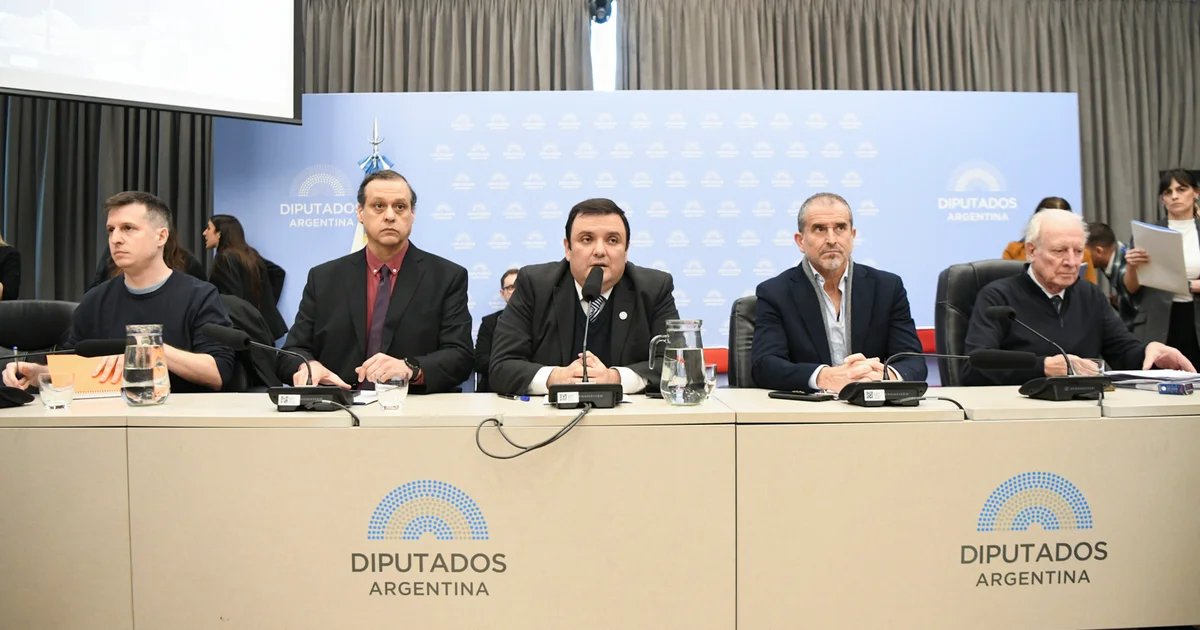
El oficialismo se encamina esta noche a aprobar en Diputados un proyecto de ley para regularizar la atención de las personas con discapacidad y los pagos a los prestadores médicos, en busca de desactivar uno de los frentes políticos más sensibles para el gobierno de Javier Milei.
Tras una serie de reuniones a contra reloj y negociaciones que se extendieron hasta bien entrada la sesión y modificaron fuertemente la iniciativa original, el oficialismo consiguió no solo el respaldo de sus aliados habituales, sino también el apoyo de Provincias Unidas y del peronismo.
Con la diputada libertaria (ex-Pro) Laura Rodríguez Machado al frente de las conversaciones, coordinadas por el presidente de la Cámara, Martín Menem, el oficialismo hizo circular desde temprano el borrador del dictamen al que le fue incorporando numerosos ajustes mientras avanzaba la megasesión de este miércoles.
En un giro inesperado, Machado, junto a su par libertaria Gisela Castelnuovo, activaron el diálogo con representantes de UP, entre ellas, Victoria Tolosa Paz y Sabrina Selva, quienes dejaron entrever la intención de una parte de Unión por la Patria de respaldar el dictamen si se tomaban en cuenta una serie de cambios.
La bancada que conduce Germán Martínez quedó ante la disyuntiva de acompañar o no una propuesta que termina por recoger los reclamos del colectivo de discapacidad, quienes esta tarde expresaron su aval a la propuesta oficialista.
Hasta ayer, el sector todavía se inclinaba por la prórroga de la emergencia en discapacidad que apuntalaba el bloque UP, parte de Provincias Unidas, la Coalición Cívica y la izquierda.
Original excerpt in Spanish. The content belongs to La Nación.