Who leads the conversation
Narratives
- Government
- 35%
- Left / opposition
- 40%
- The street
- 25%
Start free with El Resumen Esencial or go Premium for the full analysis, in English, Spanish or Portuguese.
Start free with El Resumen Esencial or go Premium for the full analysis, in English, Spanish or Portuguese.
Real pulse on X
The voices and keywords are in Spanish, as they appear in the sources.
Data gathered from public conversations and estimated by AI. Source: the story's context (no usable data from X).
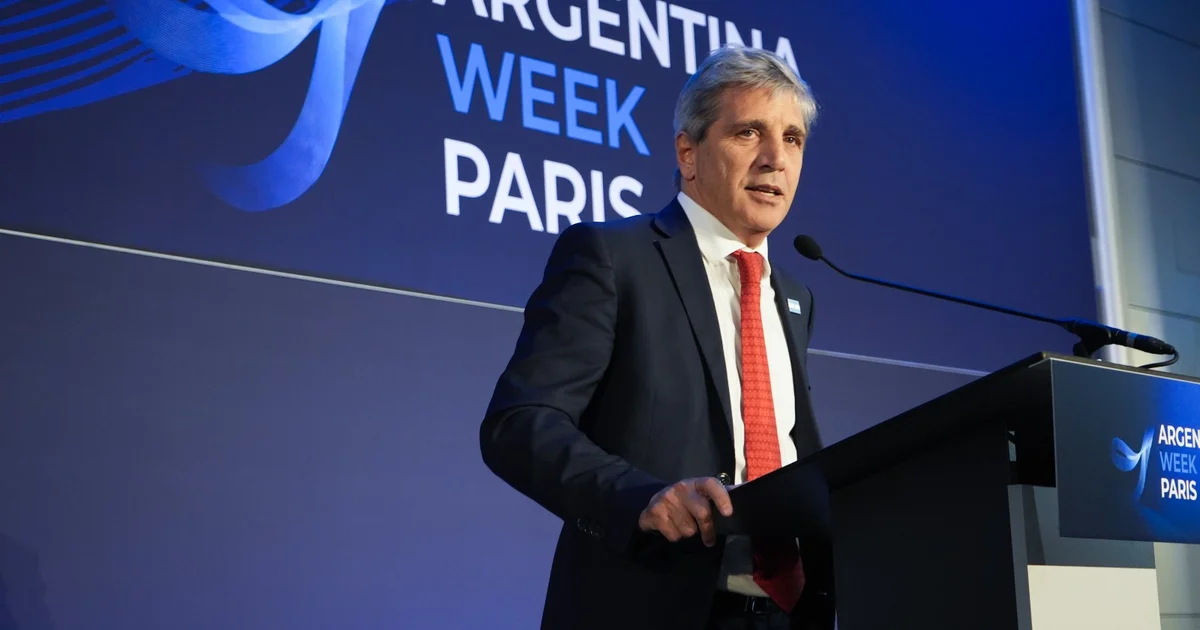
Javier Milei, quoted by Infobae2 min read

AI estimate · 70% confidence
Main framing
Left 60%
Mixed · estimated by AI · 70% confidence
The estimate comes from analyzing the story's text: which sources it quotes, which facts it highlights and what language it uses.
An AI model reads the story and estimates how much of its framing leans left, center or toward a libertarian view. The three percentages add up to 100.
This is an AI-generated estimate, not an objective judgment.
Generated on · 1 min read
AI summaries may contain errors.
The article cites sources from both sides, highlighting Milei's defense of the RIGI and the criticism from the opposition regarding the need for concrete proposals. The greater weight in the text falls on the statements from Kicillof and Massa, who emphasize social issues, indicating a framing tendency critical of the government.
AI summary
President Javier Milei acknowledged that some economic indicators are not evolving as expected, attributing this to an 'external shock.' Despite this, he defended his management by highlighting the RIGI, a USD 210 billion investment plan. The opposition, represented by Axel Kicillof and Sergio Massa, is calling for immediate action on social and infrastructure issues, suggesting the government needs to address the urgent needs of the population.
Generated by AI from the original story in Spanish.
El presidente Javier Milei ha hecho una serie de declaraciones sobre la gestión económica de su gobierno, admitiendo que algunos indicadores no están evolucionando como se esperaba. Según Infobae, Milei expresó que esto se puede atribuir principalmente a un 'shock externo'. Esto marca una apertura por parte del gobierno para reconocer desafíos en su gestión, lo que podría influir en la percepción pública de su administración.
En defensa de su gobierno, Milei también destacó la importancia del RIGI, afirmando que reúne proyectos por USD 210.000 millones, con USD 70.000 millones ya aprobados. El presidente lo describió como 'la política industrial más importante de la historia argentina', según Infobae. Estas afirmaciones sugieren una confianza en los planes económicos a largo plazo del gobierno, a pesar de la situación actual.
Por el lado de la oposición, figuras como Axel Kicillof han respondido planteando la necesidad de propuestas concretas para abordar cuestiones sociales y de infraestructura, como mejoras en rutas y construcción de viviendas. Kicillof, según La Nación, enfatizó el compromiso de su bloque con estos temas, sugiriendo que la atención debería centrarse en los problemas inmediatos que afectan a la población.
Además, Sergio Massa se mostró optimista sobre el futuro político, señalando que el próximo año la mayoría de la sociedad 'le va a dar vuelta la página a esto'. Massa, como se detalla en La Nación, está enfocado en ayudar al peronismo a ganar, aunque aclaró que no se considera un candidato. Esto indica una estrategia de la oposición para reestructurarse y responder a los desafíos actuales que presenta el gobierno.
Así, el debate entre el gobierno de Milei y la oposición se centra en la gestión económica y las propuestas para el futuro. Mientras Milei defiende su marco económico y menciona logros, la oposición busca presentar alternativas y destacar las necesidades urgentes de la población.
Original excerpt in Spanish. The content belongs to Javier Milei, quoted by Infobae.

Economy · X