Who leads the conversation
Narratives
- Government
- 20%
- Left / opposition
- 15%
- The street
- 65%
Start free with El Resumen Esencial or go Premium for the full analysis. Newsletters are in Spanish.
Start free with El Resumen Esencial or go Premium for the full analysis. Newsletters are in Spanish.
Real pulse on X
The voices and keywords are in Spanish, as they appear in the sources.
Data gathered from public conversations and estimated by AI. Source: the story's context (no usable data from X).
La Nación4 min read
AI estimate · 80% confidence
Main framing
Center 50%
Center · estimated by AI · 80% confidence
The estimate comes from analyzing the story's text: which sources it quotes, which facts it highlights and what language it uses.
An AI model reads the story and estimates how much of its framing leans left, center or toward a libertarian view. The three percentages add up to 100.
This is an AI-generated estimate, not an objective judgment.
Generated on · 1 min read
AI summaries may contain errors.
The text emphasizes the collaboration between companies and institutions from different countries, highlighting the importance of the private sector in the transition to more sustainable transportation, without a clear political bias. Officials' statements are presented neutrally.
AI summary
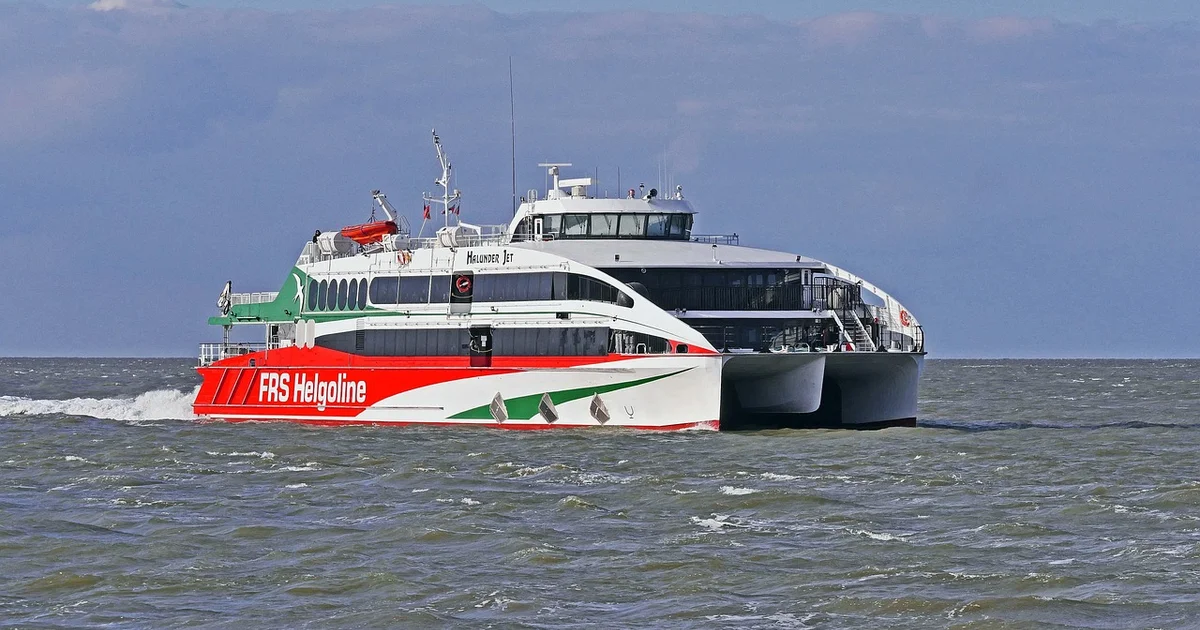
The China Zorrilla, the first 100% electric ferry connecting Argentina and Uruguay, commenced operations with an event in Puerto Madero. This innovative project, involving an investment of US$200 million, marks a significant advance in maritime electrification.
Daily trips between Buenos Aires and Colonia del Sacramento are planned, showcasing collaboration between companies and institutions from both countries.
Generated by AI from the original story in Spanish.
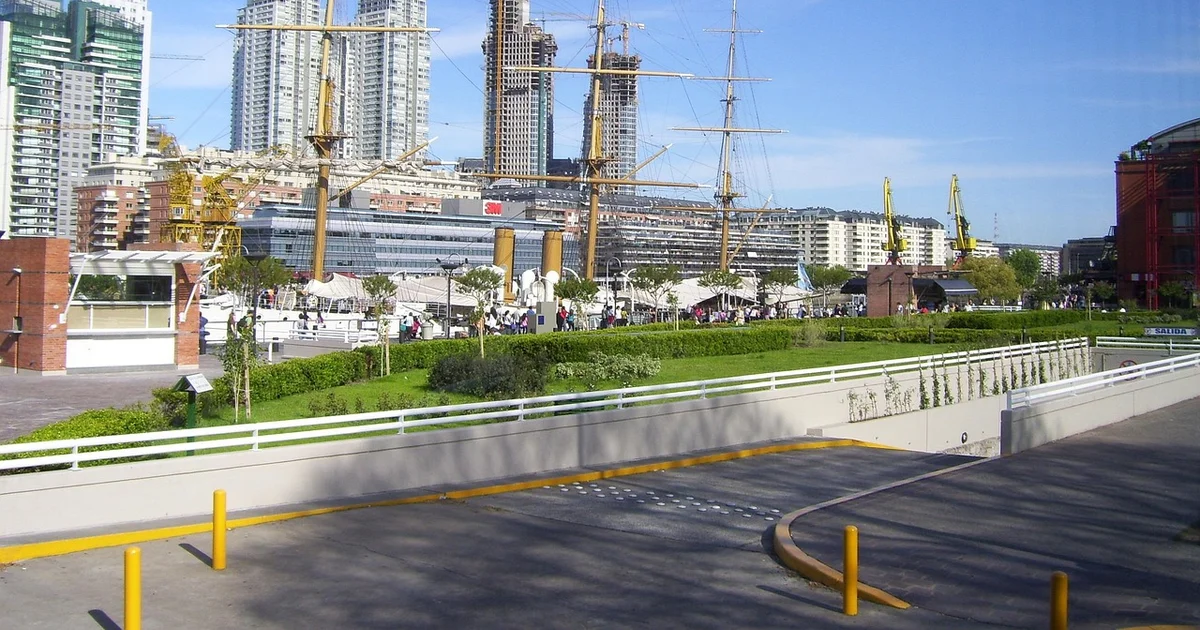
En el marco de un convocante evento en Puerto Madero, Ciudad de Buenos Aires, Buquebus presentó oficialmente al China Zorrilla, el primer buque 100% eléctrico que hará la ruta fluvial entre Buenos Aires y Uruguay.
Su desarrollo, llevado adelante en Australia por el astillero Incat Tasmania, implica un cambio en la lógica de traslado de pasajeros. Así como ocurre en el universo automotor, donde la electrificación empieza a ser cada vez más relevante, misma senda sigue hoy la navegación.
El ferry atravesó varias etapas de prueba desde su llegada a la región en septiembre e implicó una inversión de US$200 millones destinada tanto a su producción como a la adecuación de la infraestructura energética necesaria para su operación.
Según adelantó la empresa a LA NACION, el primer viaje comercial lo hará este 22 de octubre, apenas unas horas después del lanzamiento oficial.
Juan Carlos López Mena, presidente de Buquebus, definió al proyecto como uno de los mayores desafíos encarados por la compañía en los últimos años. “Estamos muy felices de haber llegado hasta este momento. El China Zorrilla es mucho más que un nuevo buque para Buquebus: es el resultado de años de trabajo, inversión, innovación y cooperación entre empresas, instituciones y gobiernos de Argentina y Uruguay”, afirmó.
Del evento formaron parte la secretaria General de Presidencia, Karina Milei; el jefe de Gabinete, Diego Santilli; el ministro de Defensa Carlos Presti y la senadora Patricia Bullrich. También estuvieron presentes embajadores, una delegación de funcionarios uruguayos y representantes de las empresas vinculadas al proyecto.
Original excerpt in Spanish. The content belongs to La Nación.