Start free with El Resumen Esencial or go Premium for the full analysis, in English, Spanish or Portuguese.
Start free with El Resumen Esencial or go Premium for the full analysis, in English, Spanish or Portuguese.
BCRA1 min read
AI estimate · 80% confidence
Main framing
Center 40%
Center · estimated by AI · 80% confidence
The estimate comes from analyzing the story's text: which sources it quotes, which facts it highlights and what language it uses.
An AI model reads the story and estimates how much of its framing leans left, center or toward a libertarian view. The three percentages add up to 100.
This is an AI-generated estimate, not an objective judgment.
Generated on · 1 min read
AI summaries may contain errors.
The presentation focuses on explaining BCRA policies in a technical and professional manner, without an emphasis on political ideologies. Relevant economic topics are addressed, suggesting a focus more on technical policy than on a specific party agenda.
AI summary
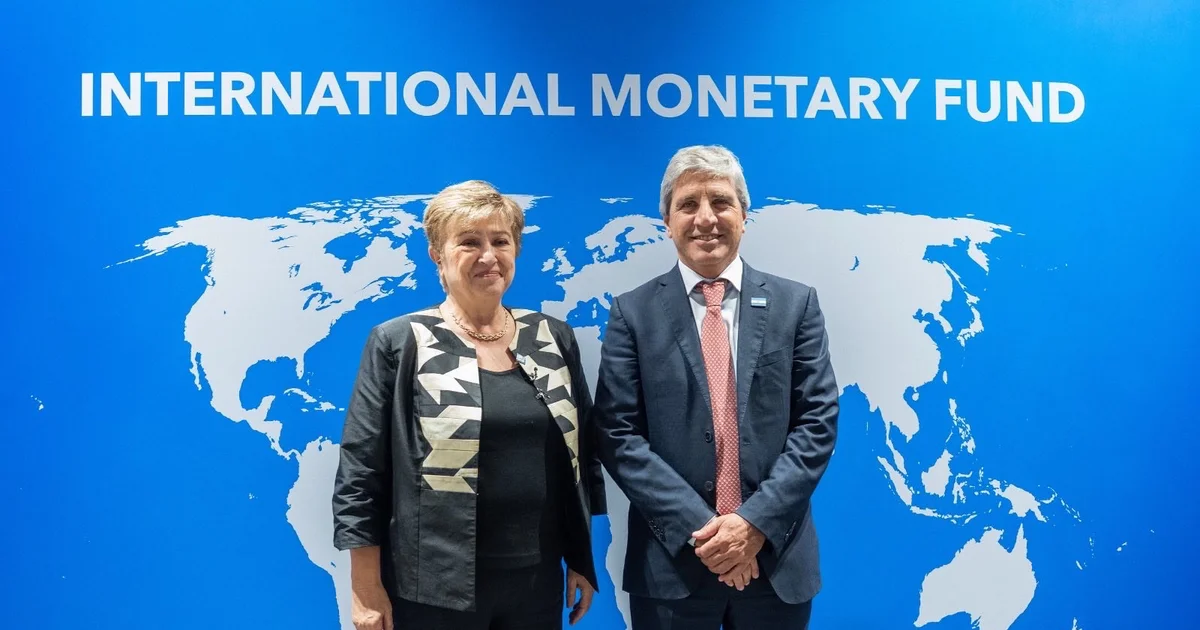
The Vice President of the Central Bank of the Argentine Republic, Vladimir Werning, participated in investor roundtables in Bangkok, as part of the Annual Meetings of the IMF and the World Bank. His presentation focused on monetary and exchange policy, covering the monetary cycle, credit stimulus, internal savings anchorage, and strategies to increase reserves.
Generated by AI from the original story in Spanish.
El vicepresidente del Banco Central de la República Argentina (BCRA), Vladimir Werning, participó en las mesas redondas para inversores realizadas en el marco de las Reuniones Anuales del Fondo Monetario Internacional (FMI) y del Banco Mundial, en Bangkok, Tailandia, en octubre de 2026.
La ponencia, titulada “Argentina: Política monetaria sólida (el ciclo, el estímulo y la estrategia), junto con el fortalecimiento de la política cambiaria”, se organizó en torno a cuatro ejes:
I. CICLO MONETARIO: DEL SHOCK (2025) A LA NORMALIZACIÓN (2026)
II. ESTÍMULO MONETARIO: INICIATIVAS PARA PROMOVER UN MAYOR ACCESO AL CRÉDITO
III. ESTRATEGIA MONETARIA: POLÍTICAS PARA ANCLAR EL AHORRO INTERNO
IV. POLÍTICA CAMBIARIA: DE LOS CONTROLES A MAYORES RESERVAS Y FLUJOS EQUILIBRADOS
Original excerpt in Spanish. The content belongs to BCRA.
Institutional · BCRA