Who leads the conversation
Narratives
- Government
- 55%
- Left / opposition
- 25%
- The street
- 20%
Start free with El Resumen Esencial or go Premium for the full analysis, in English, Spanish or Portuguese.
Start free with El Resumen Esencial or go Premium for the full analysis, in English, Spanish or Portuguese.
Real pulse on X
The voices and keywords are in Spanish, as they appear in the sources.
Data gathered from public conversations and estimated by AI. Source: the story's context (no usable data from X).
El Cronista2 min read
AI estimate · 80% confidence
Main framing
Center 70%
Center · estimated by AI · 80% confidence
The estimate comes from analyzing the story's text: which sources it quotes, which facts it highlights and what language it uses.
An AI model reads the story and estimates how much of its framing leans left, center or toward a libertarian view. The three percentages add up to 100.
This is an AI-generated estimate, not an objective judgment.
Generated on · 1 min read
AI summaries may contain errors.
The article presents the bill neutrally by highlighting its content and the support in Congress, without a partisan focus. However, it informs that the ruling party has rejected proposals from the opposition, which may suggest a more favorable balance toward the government's positions.
AI summary
The Chamber of Deputies is debating a government project regarding payment defaults in the financial system, which includes initiatives such as credit portability. The project has support from the PRO, UCR, and Libertarian blocs and is expected to be approved and sent to the Senate.
Additionally, financial education is to be included in the school curriculum to promote financial literacy in digital environments.
Generated by AI from the original story in Spanish.
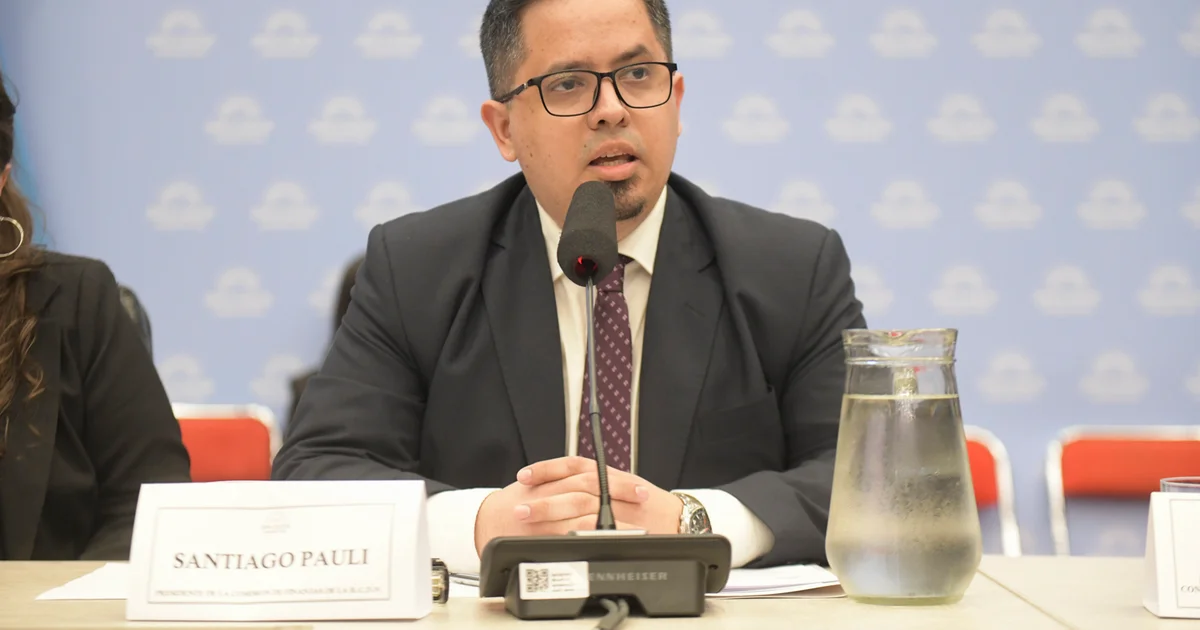
La Cámara de Diputados ya sesiona y trata varios proyectos, entre ellos la iniciativa del oficialismo para abordar la morosidad en el sistema financiero.
“Viene bien. Pero hay que esperar los votos”, se atajan en el mileismo, aunque ya cuentan con los votos del PRO y de la UCR, además del bloque Libertario, por lo que debería ser sancionado y pasar al Senado la semana del 15 de noviembre, para ser reglamentada en enero del año que viene.
“Ahora toca ver cómo se desarrolla en la sesión”, revelan puertas adentro del Gobierno, que ha logrado desechar numerosos proyectos de la oposición, que en su mayoría proponían tasas máximas para los préstamos. Ese tipo de cláusulas recogió el rechazo absoluto de los bancos y de las entidades financieras.
La iniciativa contiene un capítulo sobre la “portabilidad del crédito”, es decir, la posibilidad de trasladar el préstamo entre entidades.
Como concepto general, la portabilidad es algo que incomoda a los proveedores más pequeños, que temen que los bancos grandes se queden con los créditos que entregaron las Fintech, luego que el usuario haya pagado seis cuotas, por ejemplo. De ahí que pedirán que el banco les pague un costo de originación, como sucede en Brasil, por ejemplo.
El proyecto, al que accedió este diario, indica que el usuario de una operación de crédito de consumo podrá solicitar su sustitución por una nueva financiación ofrecida y voluntariamente aprobada por otro proveedor. La portabilidad podrá instrumentarse mediante un nuevo crédito destinado a cancelar la obligación anterior.
Original excerpt in Spanish. The content belongs to El Cronista.