
Three plans: El Resumen Esencial for free, Premium with the full analysis and Intelligence with data and alerts to decide, in English, Spanish or Portuguese.
Three plans: El Resumen Esencial for free, Premium with the full analysis and Intelligence with data and alerts to decide, in English, Spanish or Portuguese.
Three plans: El Resumen Esencial for free, Premium with the full analysis and Intelligence with data and alerts to decide, in English, Spanish or Portuguese.
Ámbito7 min read
AI estimate · 80% confidence
Main framing
Left 70%
Left · estimated by AI · 80% confidence
The estimate comes from analyzing the story's text: which sources it quotes, which facts it highlights and what language it uses.
An AI model reads the story and estimates how much of its framing leans left, center or toward a libertarian view. The three percentages add up to 100.
This is an AI-generated estimate, not an objective judgment.
Generated on · 1 min read
AI summaries may contain errors.
The article questions the transparency in the Central Bank's operations and highlights very high losses from transactions, suggesting criticism towards the policies of the Central Bank. The allegations of possible irregularities in payments to officials also reflect a critical approach to the current administration.
AI summary
A lawyer has reported irregularities in the Argentine Central Bank's gold operations, accusing the institution of incurring significant losses in derivative transactions. Questions arise about whether the Central Bank used hedging strategies that involved additional risks, and there is a lack of clarity regarding payments and counterparties in these operations.
The possible impact on gold reserves and the physical location of this metal are also mentioned. These allegations have been submitted to the U.S.
Securities and Exchange Commission, suggesting a review of the controls and payments related to the operations.
Generated by AI from the original story in Spanish.
Según el informe de la AGN, durante 2025 el Banco Central realizó operaciones con derivados cuyo activo subyacente era el oro y que fueron presentadas como instrumentos de cobertura. Sin embargo, esas transacciones terminaron con un resultado negativo de 1.469.155 millones de pesos, unos u$s1.023 millones, que implicó una salida de moneda extranjera.
De ese total, 1.400.793 millones de pesos, equivalentes a u$s960,2 millones, correspondieron al resultado negativo de las opciones, mientras que otros 68.362 millones de pesos —unos u$s62,8 millones— fueron registrados como primas de opciones.
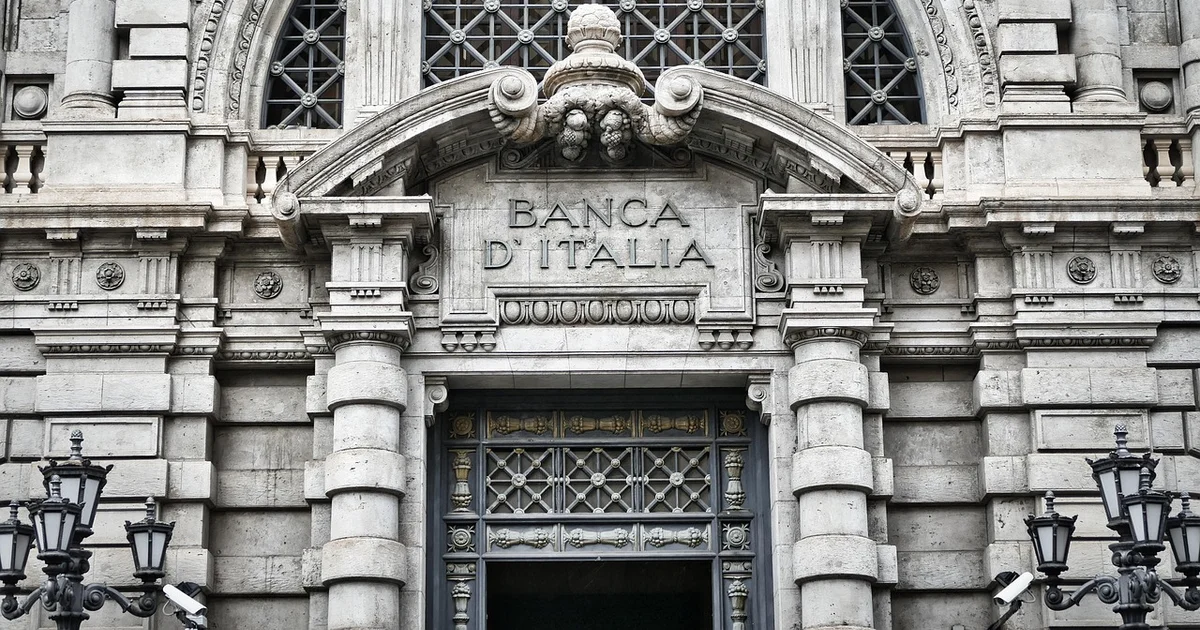
Bausili y el oro de BCRA: más denuncias presionan sobre el destino y las maniobras con el metal.
Para el abogado Dalbón, hay un dato que merece especial atención que es la pérdida registrada por las opciones fue más de quince veces superior a las primas pagadas.
El abogado sostuvo que esa relación no sería consistente con una cobertura realizada exclusivamente mediante la compra de opciones, ya que en ese tipo de operación la pérdida máxima queda limitada al valor de la prima. Por eso, planteó que podría haber existido también una venta de opciones, mediante la cual el Banco Central habría asumido riesgos adicionales.
“Esto exige establecer qué posiciones se tomaron, con qué contrapartes, por qué montos y bajo qué límites de riesgo”, señaló.

Finance · Página/12
Finance · Página/12
Original excerpt in Spanish. The content belongs to Ámbito.