Three plans: El Resumen Esencial for free, Premium with the full analysis and Intelligence with data and alerts to decide, in English, Spanish or Portuguese.
Three plans: El Resumen Esencial for free, Premium with the full analysis and Intelligence with data and alerts to decide, in English, Spanish or Portuguese.
Three plans: El Resumen Esencial for free, Premium with the full analysis and Intelligence with data and alerts to decide, in English, Spanish or Portuguese.
Ámbito3 min read
AI estimate · 80% confidence
Main framing
Center 80%
Center · estimated by AI · 80% confidence
The estimate comes from analyzing the story's text: which sources it quotes, which facts it highlights and what language it uses.
An AI model reads the story and estimates how much of its framing leans left, center or toward a libertarian view. The three percentages add up to 100.
This is an AI-generated estimate, not an objective judgment.
Generated on · 1 min read
AI summaries may contain errors.
The article adopts a mostly neutral stance, highlighting Bausili's comments on the economy and exchange situation without evident criticism or support for his management. It employs technical and analytical language, reflecting an informative perspective rather than an ideological one.
AI summary
Santiago Bausili, President of the Central Bank of Argentina, stated that the country will continue to accumulate dollars until the 2027 elections, highlighting the stability of the current exchange regime compared to previous years. He emphasized that, unlike in 2025, the economy does not face a monetary imbalance that would promote massive dollarization.
Bausili also discussed exchange market restrictions and the need for flexibility, arguing that maintaining certain limitations may cost the economy but is essential to avoid harmful fluctuations.
Generated by AI from the original story in Spanish.
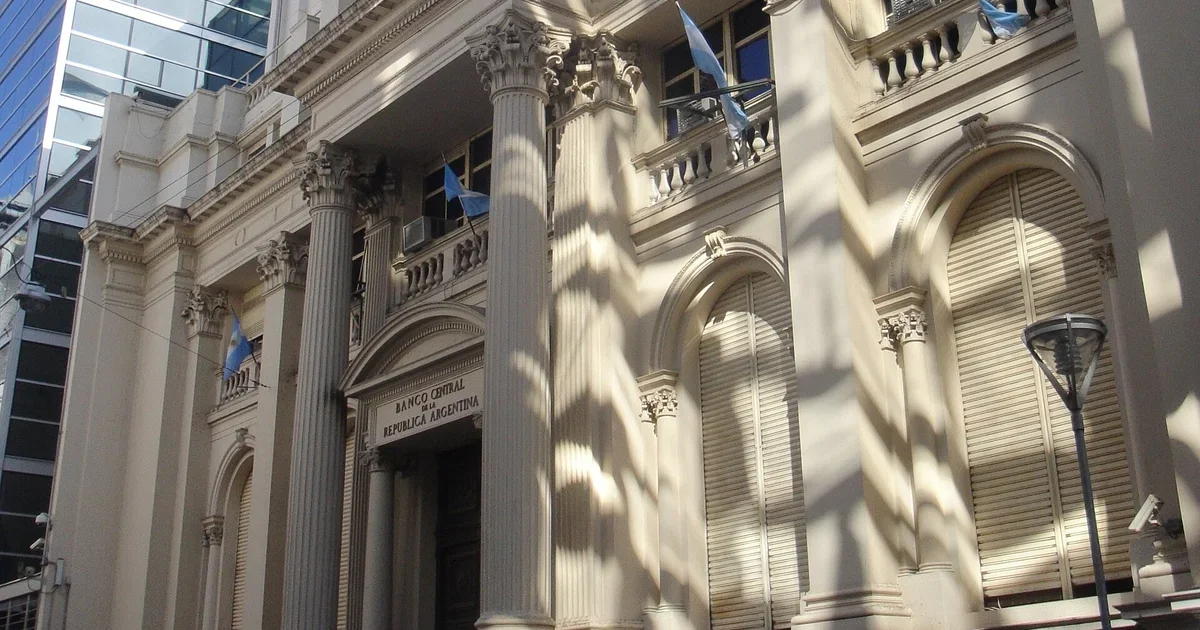
Bausili anticipó que la Argentina seguirá acumulando dólares hasta las elecciones de 2027
Otro de los ejes de su exposición estuvo vinculado con las perspectivas cambiarias de cara a las próximas elecciones presidenciales. En ese sentido, Bausili identificó tres diferencias entre el proceso de dolarización registrado durante 2025 y el escenario que podría enfrentar la economía argentina en 2027.
En primer lugar, destacó la posición externa del Banco Central y la cantidad de pesos en circulación. Según explicó, el año pasado la autoridad monetaria enfrentaba un nivel elevado de reservas netas negativas, mientras que el mercado percibía una capacidad limitada para defender el régimen cambiario.
"El año pasado teníamos todavía un nivel de reservas negativas muy grande. El BCRA tenía, por lo menos según la percepción del mercado, una capacidad de fuego limitada para proteger el régimen y teníamos todavía algo de excedente de dinero", recordó.
A diferencia de aquel escenario, consideró que actualmente no existe un desequilibrio monetario de partida que pueda impulsar una dolarización masiva de las carteras.
"¿Puede ser que la demanda de pesos caiga? Puede ser, pero como stock no partimos con un desequilibrio de stock. Y, por el contrario, es una economía que acumuló muchos dólares en este periodo y va a seguir acumulando dólares", sostuvo.
Original excerpt in Spanish. The content belongs to Ámbito.

Finance · Clarín