Who leads the conversation
Narratives
- Government
- 45%
- Left / opposition
- 30%
- The street
- 25%
Start free with El Resumen Esencial or go Premium for the full analysis, in English, Spanish or Portuguese.
Start free with El Resumen Esencial or go Premium for the full analysis, in English, Spanish or Portuguese.
Real pulse on X
The voices and keywords are in Spanish, as they appear in the sources.
Data gathered from public conversations and estimated by AI. Source: the story's context (no usable data from X).
Página/123 min read
AI estimate · 80% confidence
Main framing
Left 60%
Mixed · estimated by AI · 80% confidence
The estimate comes from analyzing the story's text: which sources it quotes, which facts it highlights and what language it uses.
An AI model reads the story and estimates how much of its framing leans left, center or toward a libertarian view. The three percentages add up to 100.
This is an AI-generated estimate, not an objective judgment.
Generated on · 1 min read
AI summaries may contain errors.
The article highlights the division between the government and the opposition, emphasizing the proposal from Unión por la Patria as more comprehensive compared to the official stance. Opposition criticisms focus on the lack of effective action against debtors, reflecting ideological tensions regarding the handling of the issue.
AI summary
The Chamber of Deputies approved the return of the Family Indebtedness and Delinquency project to committee after failing to secure sufficient votes for its passage. The opposition criticized the absence of a date for reconsideration, suggesting it may not be addressed again.
The ruling party defended its proposal focused on financial education, while the opposition suggested a more comprehensive plan for debtor relief.
Generated by AI from the original story in Spanish.
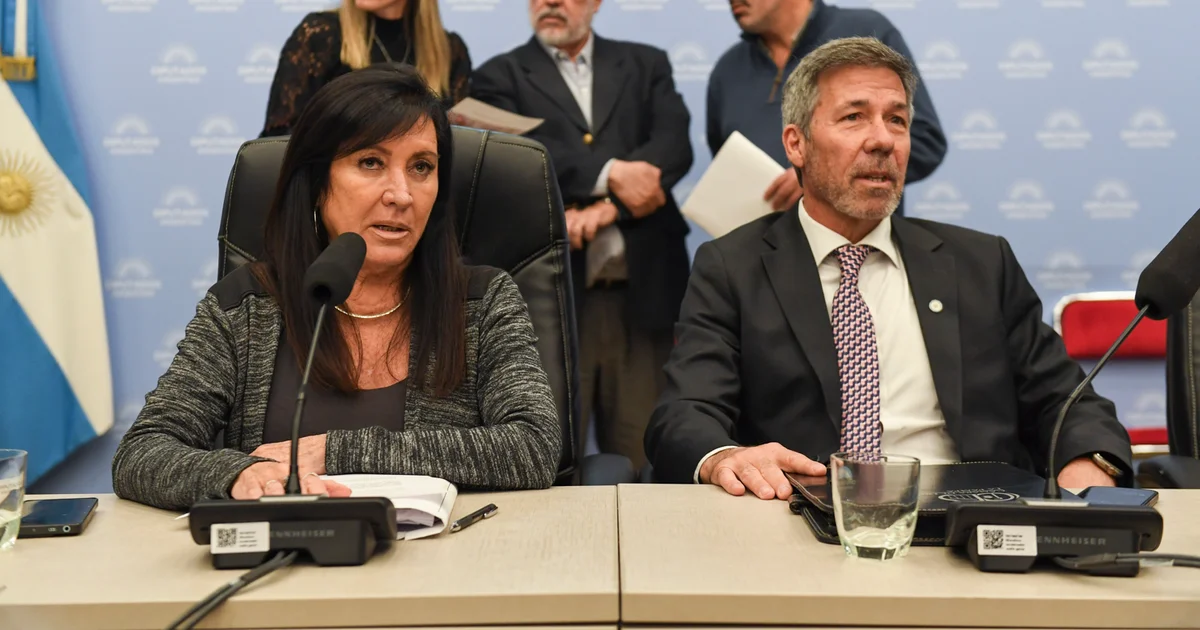
Después de más de 15 horas de sesión, la Cámara de Diputados aprobó de madrugada la vuelta a comisiones del proyecto Morosidad y Endeudamiento Familiar debido a que el oficialismo no consiguió los votos para aprobarlo, a pesar de que era una iniciativa de su propia autoría.
Con la vuelta a comisión de ese texto, el milieísmo logró ralentizar el tema y a la vez evitó que se cayera. La propuesta burocrática fue formalizada a las 3:30 por el oficialismo que llamó a votar y el resultado fue de 121 afirmativos, 117 rechazos y 5 abstenciones.
La propuesta regresó para ser tratada sin fecha alguna a las comisiones de Finanzas y de Defensa del Consumidor, del Usuario y de la Competencia, pero dejó en clara evidencia el déficit de aliados del oficialismo en ese tema.
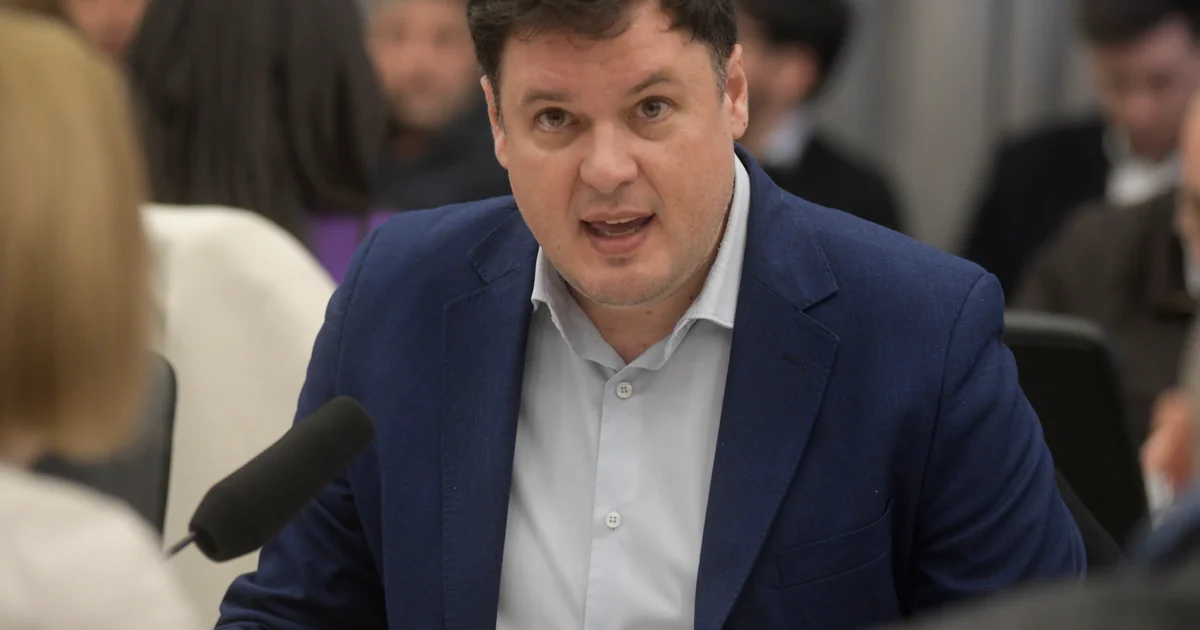
Diputados opositores cuestionaron que la moción no incluyera ningún tipo de fecha, lo que en los hechos podría significar que la vuelta a comisión no se concrete nunca si no hubiera voluntad del oficialismo.
Junto con La Libertad Avanza votaron el PRO, la UCR, un sector de Argentina Federal, y Producción y Trabajo. En contra votaron Unión por la Patria (UxP), algunos diputados de Provincias Unidas, el Frente de Izquierda y la Coalición Cívica, entre otros opositores.
Pero lo que jugó en contra de la oposición fueron las abstenciones de 5 diputados cordobeses de Provincias Unidas, que responden a Martín Llaryora.
Original excerpt in Spanish. The content belongs to Página/12.
Politics · Página/12