Who leads the conversation
Narratives
- Government
- 30%
- Left / opposition
- 40%
- The street
- 30%
Start free with El Resumen Esencial or go Premium for the full analysis. Newsletters are in Spanish.
Start free with El Resumen Esencial or go Premium for the full analysis. Newsletters are in Spanish.
Real pulse on X
The voices and keywords are in Spanish, as they appear in the sources.
Data gathered from public conversations and estimated by AI. Source: the story's context (no usable data from X).
Clarín1 min read
AI estimate · 80% confidence
Main framing
Center 60%
Center · estimated by AI · 80% confidence
The estimate comes from analyzing the story's text: which sources it quotes, which facts it highlights and what language it uses.
An AI model reads the story and estimates how much of its framing leans left, center or toward a libertarian view. The three percentages add up to 100.
This is an AI-generated estimate, not an objective judgment.
Generated on · 1 min read
AI summaries may contain errors.
The article presents Milei acknowledging the economic situation without adopting a strong partisan tone, suggesting a more centrist position. His criticism of claims about the economic struggle of the population indicates an intention to differentiate himself from commonly accepted narratives, but without leaning toward the left or the right.
AI summary
Javier Milei discussed Argentina's economic indicators, acknowledging they are not evolving as expected. He mentioned the impact of inflation and interest rates on economic activity, stating that growth is slower than anticipated.
Additionally, he criticized studies suggesting many people struggle to make ends meet, labeling it an effectual statement.
Generated by AI from the original story in Spanish.
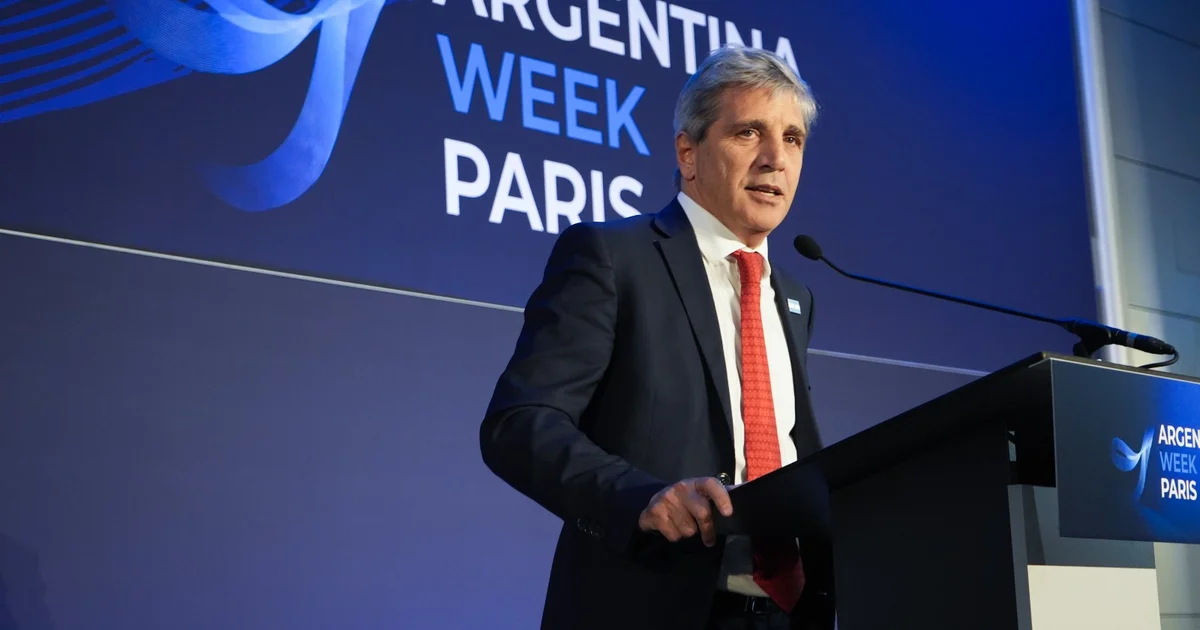
Javier Milei habló este jueves sobre los últimos índices económicos conocidos esta semana (la actividad económica tuvo un rebote de apenas 01% mensual) y reconoció que "los indicadores de Argentina no estarían evolucionando tan positivamente como esperábamos en un primer momento".Recién llegado de Madrid donde ocupó las tapas de los principales diarios españoles por los cruces que protagonizó con el presidente de Gobierno de España Pedro Sánchez el Presidente brindó una entrevista a Radio Rivadavia donde volvió a hablar de la frase "La gente no llega a fin de mes".
El jefe de Estado consideró que en la actualidad "el mundo se caracteriza por una situación donde hay más inflación más tasa de interés y menor actividad económica" y sostuvo en ese sentido que "Argentina no es ajeno a eso está sufriendo las consecuencias". "Lo que se esperaba que la economía creciera - continúo - esta creciendo menos. Eso hace que la demanda de dinero crezca menos de lo que debería crecer y consecuentemente el ritmo al que baja la inflación es menor y obviamente los indicadores de Argentina no estarían evolucionando tan positivamente como esperábamos en un primer momento.
Un shock externo es un shock eterno". En tanto sobre los estudios de consultoras que sostienen que una importante parte de la población no llega a cubrir sus gastos durante todo el mes afirmó: "Yo no me enojo con las consultoras yo lo que digo es que es una frase efectista que no guarda asidero con la realidad".Noticia en desarrolloBPO
Original excerpt in Spanish. The content belongs to Clarín.

Economy · Página/12

Economy · Página/12