Who leads the conversation
Narratives
- Government
- 20%
- Left / opposition
- 35%
- The street
- 45%
Start free with El Resumen Esencial or go Premium for the full analysis, in English, Spanish or Portuguese.
Start free with El Resumen Esencial or go Premium for the full analysis, in English, Spanish or Portuguese.
Real pulse on X
The voices and keywords are in Spanish, as they appear in the sources.
Data gathered from public conversations and estimated by AI. Source: the story's context (no usable data from X).
Perfil5 min read
AI estimate · 80% confidence
Main framing
Left 80%
Left · estimated by AI · 80% confidence
The estimate comes from analyzing the story's text: which sources it quotes, which facts it highlights and what language it uses.
An AI model reads the story and estimates how much of its framing leans left, center or toward a libertarian view. The three percentages add up to 100.
This is an AI-generated estimate, not an objective judgment.
Generated on · 1 min read
AI summaries may contain errors.
The article emphasizes the increase in the cost of living and the deterioration of purchasing power, highlighting the pressure on workers and criticism of Milei's management. Negative terms like 'deterioration' are used, and it is mentioned that the increases outpace salaries, suggesting a critical stance toward the current government.
Quoted from the original Spanish text.
AI summary
The wholesale price index (IPIM) in Argentina rose by 3.2% in September, driven mainly by increases in oil and gas prices. President Javier Milei will need to reassess his celebration regarding a supposed reduction in inflation, as the overall CPI shows significant year-on-year increases.
Milei's administration faces criticism due to the excessive rise in essential services, which exceed wage growth and impact household purchasing power. The outlook appears challenging, with inflation projections potentially reaching 30% by December.
Generated by AI from the original story in Spanish.
El presidente Javier Milei tendrá que buscar otro motivo para su recital para festejar la baja del índice de precios internos al por mayor (IPIM), que subió 3,2% mensual en septiembre, empujado por el petróleo y gas. En paralelo, el equipo económico monitorea de cerca también los precios minoristas, que se ven tensionados por los incrementos en los alimentos de las últimas semanas.
El IPIM del movemos mes del año la suba de 3,4% en los “Productos nacionales” y de 0,4% en los “Productos importados”, según consignó ayer el Indec. Así, el índice acumula en los primeros nueve meses del año un incremento del 22,8%, mientras que en la comparación interanual registró una suba del 29,2%.
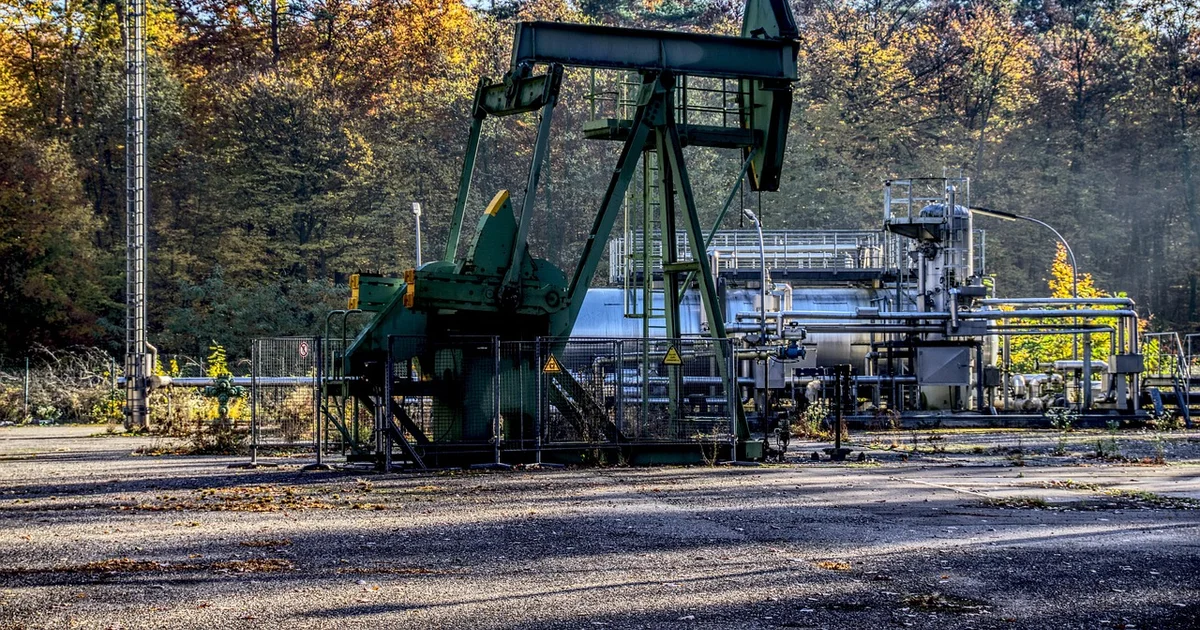
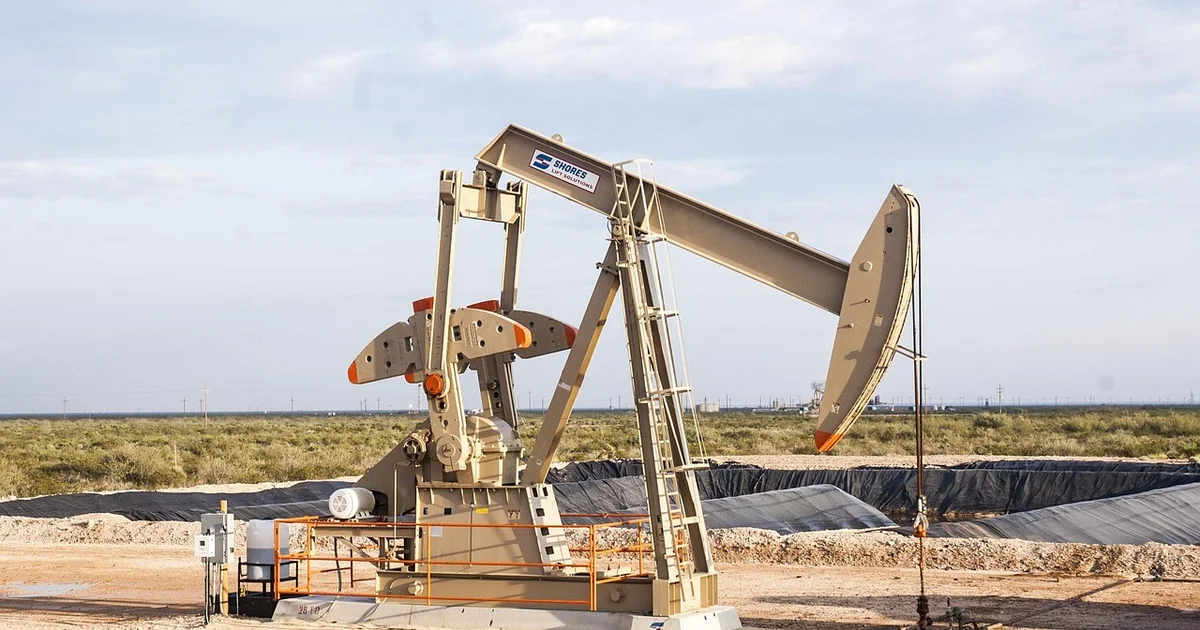
En el noveno mes del año, estos precios se vieron impulsados por el rubro petróleo y gas, que trepó 15% en el mes. El impacto del contexto internacional se siente en este rubro. El salto del precio del petróleo en medio de la guerra entre Estados Unidos e Irán suma presión sobre el mercado energético y puede repercutir en los costos locales, como por su impacto en los combustibles en los surtidores.
De esta manera, la dinámica de la inflación mayorista revierte el 0,8% de julio, que llevó al Presidente a festejar el dato.”Debería cumplir la promesa de que si arrancaba con 0 en agosto iba a hacer un recital”, sostuvo Milei. “Así que haré otro recital. Voy a tener que buscar tiempo para ensayar, pero lo haré”, dijo en el Council of the Americas, que se llevó a cabo en el Hotel Alvear en agosto de este año.
En paralelo, el equipo económico monitorea de cerca también los precios minoristas, que se ven tensionados por los incrementos en los alimentos que, según un registro de LCG, alcanzó un 4,4%, de las últimas semanas.
Así, sumado al resto de los aumentos en regulados el IPC se ubicaría en valores similares al dato de septiembre. EcoGo proyectó 1,8% para el décimo mes del año.
Original excerpt in Spanish. The content belongs to Perfil.

Finance · El Cronista