Who leads the conversation
Narratives
- Government
- 30%
- Left / opposition
- 25%
- The street
- 45%
Start free with El Resumen Esencial or go Premium for the full analysis. Newsletters are in Spanish.
Start free with El Resumen Esencial or go Premium for the full analysis. Newsletters are in Spanish.
Real pulse on X
The voices and keywords are in Spanish, as they appear in the sources.
Data gathered from public conversations and estimated by AI. Source: the story's context (no usable data from X).
El Cronista4 min read
AI estimate · 80% confidence
Main framing
Center 50%
Unclear · estimated by AI · 80% confidence
The estimate comes from analyzing the story's text: which sources it quotes, which facts it highlights and what language it uses.
An AI model reads the story and estimates how much of its framing leans left, center or toward a libertarian view. The three percentages add up to 100.
This is an AI-generated estimate, not an objective judgment.
Generated on · 1 min read
AI summaries may contain errors.
The article focuses on analyzing inflation and its economic impact, without a clear inclination towards a political framework. References to geopolitics and external factors suggest a more technical approach to the current economic situation.
Quoted from the original Spanish text.
AI summary
Wholesale inflation in Argentina has seen a significant rise, reaching 3.2% in September, the highest level since April. This increase is primarily attributed to the rise in oil prices and the effects of the 'Super Niño' phenomenon.
As projections suggest an impact on food and energy prices, CER-adjusted bonds have gained attention among investors as a hedge against inflation.
Generated by AI from the original story in Spanish.
La inflación mayorista volvió a encender una luz amarilla. El Índice de Precios Internos al por Mayor subió 3,2% en septiembre, una aceleración frente al 2,1% de agosto, según el Indec. Es el registro más alto desde abril.
En nueve meses, los precios mayoristas acumulan 22,8% y en doce, 29,2%. Por el “Súper Niño” ya están subiendo los precios de frutas y verduras, al tiempo que se prevé el impacto en la carne en las próximas semanas.
Un dato que refleja este doble efecto: una fuente del gobierno porteño le confesó a El Cronista que en dos semanas de octubre, los precios en CABA mostraron alzas de 2,1%.
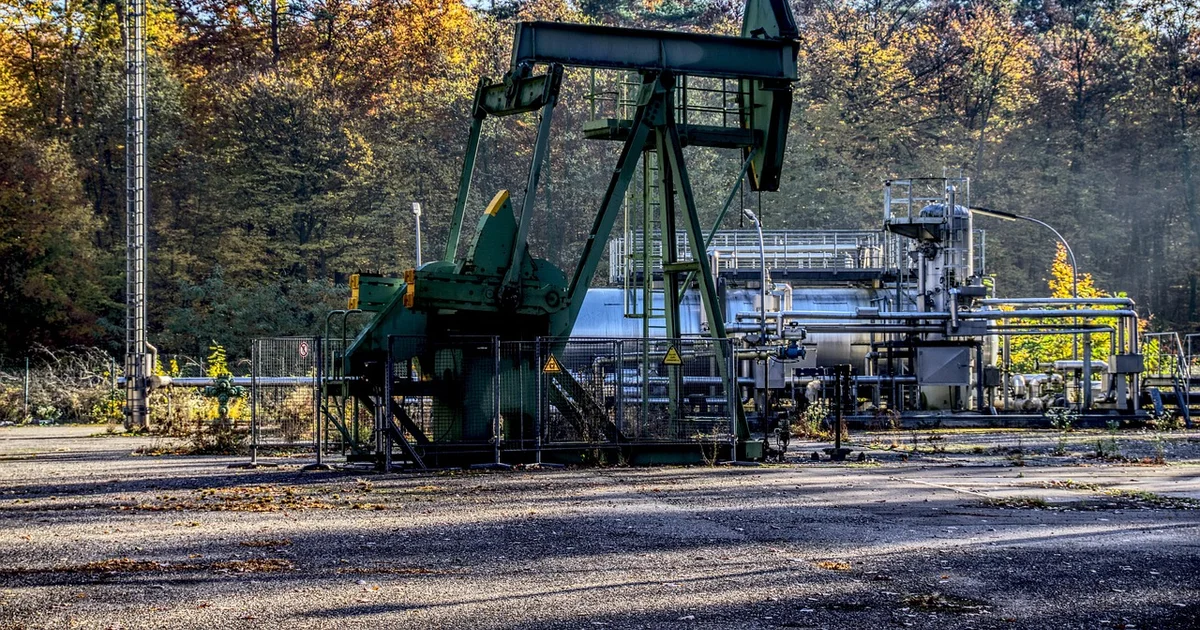
El origen del salto no es un misterio. Los productos nacionales subieron 3,4% y los importados apenas 0,4%. Con los importados casi planos, la presión no vino por el tipo de cambio sino por el petróleo. El rubro petróleo crudo y gas aumentó 15% en el mes y aportó por sí solo 1,43 puntos del total.
No se trata de apostar a un rebrote. Se trata de comprar un seguro barato. Con tasas reales positivas en casi toda la curva, el inversor cobra por cubrirse. Pocas veces la cobertura viene con premio.
Entre enero y septiembre acumula una suba de 77,1%. Por el aumento del costo de la energía pasa más de la mitad del aumento y, sin esos incrementos, el índice habría rondado el 1,9 por ciento.
Original excerpt in Spanish. The content belongs to El Cronista.