Start free with El Resumen Esencial or go Premium for the full analysis, in English, Spanish or Portuguese.
Start free with El Resumen Esencial or go Premium for the full analysis, in English, Spanish or Portuguese.
Cámara de Diputados de la Nación2 min read
AI estimate · 80% confidence
Main framing
Center 50%
Center · estimated by AI · 80% confidence
The estimate comes from analyzing the story's text: which sources it quotes, which facts it highlights and what language it uses.
An AI model reads the story and estimates how much of its framing leans left, center or toward a libertarian view. The three percentages add up to 100.
This is an AI-generated estimate, not an objective judgment.
Generated on · 1 min read
AI summaries may contain errors.
The article presents an analysis of different legislative proposals without clearly leaning towards any side, highlighting both the majority report and those from the minority. The use of terms like 'transparency' and 'predictability' suggests a balanced approach.
AI summary
In a joint meeting of the Finance and Consumer Defense Committees, a ruling was issued regarding indebtedness in the credit system. The majority proposal garnered support from 32 deputies, while two minority rulings were presented that addressed different approaches to the issue of delinquency and financial regulation.
Legislators proposed various tools to enhance transparency and stability in the credit sector.
Generated by AI from the original story in Spanish.
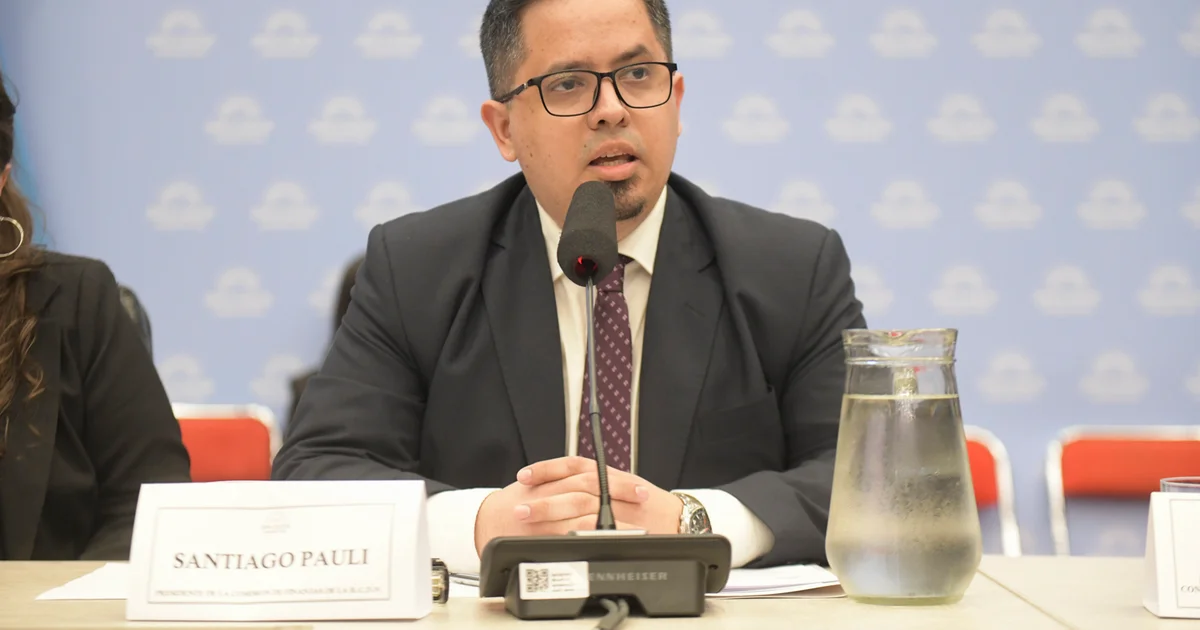
En una reunión conjunta de las Comisiones de Finanzas, y de Defensa del Consumidor, del Usuario y de la Competencia, presidida por Santiago Pauli (LLA), emitió un dictamen de mayoría y dos por la minoría, sobre los proyectos que abordan el endeudamiento en el sistema crediticio.
La iniciativa por la mayoría contó con el acompañamiento de 32 firmantes y dos disidencias, sobre un total de 61 diputados presentes.
En este sentido, Silvana Giudici (LLA), cuestionó que “muchos proyectos proponían un atajo a la morosidad” e instó a "mirar al futuro y ser capaces de no aplicar parches que terminen provocando la caída del régimen financiero". "Lo que tenemos que hacer es plantear herramientas que vigorizan el sector crediticio, dan estabilidad jurídica y transparencia a los usuarios", propuso la legisladora.
"Nuestro dictamen brinda transparencia, control y previsibilidad a las herramientas financieras”, dijo Giudici.
"Ya se refinanciaron 500 mil créditos en mora; en las Fintech, se refinanciaron el 90% de las deudas; el problema se está reencauzando en el sistema, sin intervención”, concluyó.
En representación del dictamen de minoría, Pablo Juliano (Provincias Unidas), señaló que “hay dos miradas, la del oficialismo, heredera de una cultura de negar la profundidad de este problema; y, la de quienes entendemos que esta situación aqueja a millones de argentinos”. “Estamos firmando un dictamen que propone el régimen de regularización y de alivio financiero", agregó.
Original excerpt in Spanish. The content belongs to Cámara de Diputados de la Nación.

Institutional · Cámara de Diputados de la Nación