Who leads the conversation
Narratives
- Government
- 52%
- Left / opposition
- 42%
- The street
- 6%
Start free with El Resumen Esencial or go Premium for the full analysis, in English, Spanish or Portuguese.
Start free with El Resumen Esencial or go Premium for the full analysis, in English, Spanish or Portuguese.
Real pulse on X
The voices and keywords are in Spanish, as they appear in the sources.
Data gathered from public conversations and estimated by AI. Source: the story's context (no usable data from X).
iProfesional6 min read
AI estimate · 80% confidence
Main framing
Left 40%
Mixed · estimated by AI · 80% confidence
The estimate comes from analyzing the story's text: which sources it quotes, which facts it highlights and what language it uses.
An AI model reads the story and estimates how much of its framing leans left, center or toward a libertarian view. The three percentages add up to 100.
This is an AI-generated estimate, not an objective judgment.
Generated on · 1 min read
AI summaries may contain errors.
The article reflects a combination of approaches, mentioning how the ruling party had to concede on certain points like the restoration of the Rural Land Law, indicating a political compromise. It also highlights improvements and changes that introduce some control, which can be viewed from various political perspectives.
AI summary
The Chamber of Deputies approved the Private Property Inviolability project, modifying eviction procedures and establishing restrictions on state expropriations in Argentina. The reform, which includes a new express eviction process and reinstates limits on the purchase of rural land by foreigners, will return to the Senate after changes made by the Deputies.
The law also introduces technological improvements in the Property Registry.
Generated by AI from the original story in Spanish.
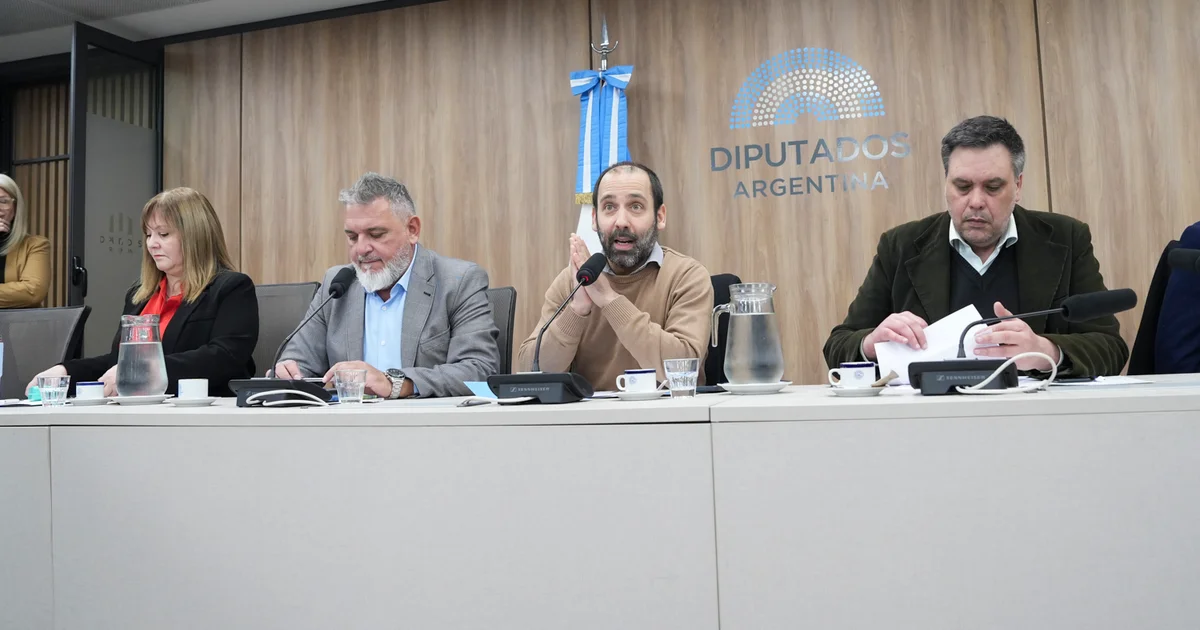
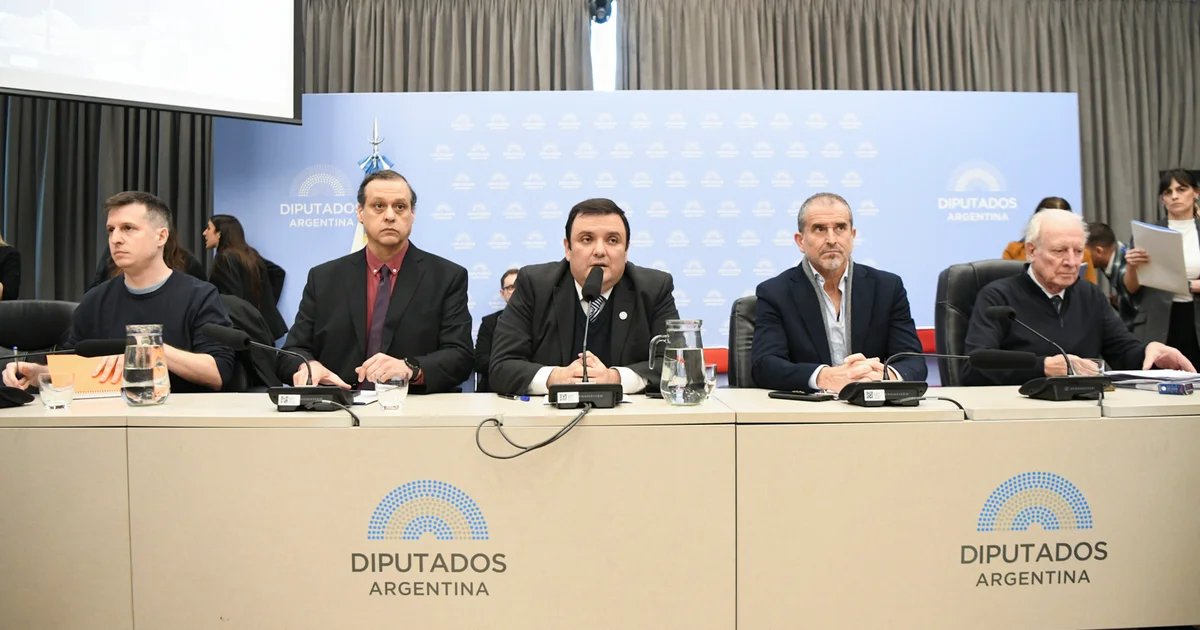
La Cámara de Diputados aprobó este miércoles el proyecto de Inviolabilidad de la Propiedad Privada, una reforma que modifica de raíz los procedimientos de desalojo en Argentina. La iniciativa también impone nuevas restricciones a las expropiaciones estatales y restablece los límites a la compra de tierras rurales por parte de extranjeros.
El proyecto obtuvo 124 votos a favor, 119 en contra y 6 abstenciones. Como la Cámara baja incorporó cambios al texto que había aprobado el Senado el 6 de agosto, la norma deberá volver a la Cámara alta para su revisión final.
La reforma busca acelerar la recuperación judicial de inmuebles urbanos y rurales, limitar la discrecionalidad del Estado en materia de expropiaciones y revertir la desregulación de la compra de campos que Javier Milei había dispuesto mediante el DNU 70/2023.
El oficialismo consiguió el aval de sus aliados en un punto sensible. La restitución de la Ley de Tierras Rurales fue el precio político que La Libertad Avanza tuvo que pagar para destrabar el tratamiento de la reforma en Diputados.
Cómo funcionarán los desalojos express bajo la nueva ley
El eje central de la reforma es la creación de un procedimiento acelerado para recuperar inmuebles. Las acciones de desalojo tramitarán mediante juicio sumarísimo, un mecanismo más abreviado que el proceso ordinario que rige actualmente.
Original excerpt in Spanish. The content belongs to iProfesional.
Politics · La Nación
Politics · iProfesional

Politics · Derecha Diario