Start free with El Resumen Esencial or go Premium for the full analysis, in English, Spanish or Portuguese.
Start free with El Resumen Esencial or go Premium for the full analysis, in English, Spanish or Portuguese.
Start free with El Resumen Esencial or go Premium for the full analysis, in English, Spanish or Portuguese.
Gobierno de Tucumán5 min read
AI estimate · 85% confidence
Main framing
Center 80%
Center · estimated by AI · 85% confidence
The estimate comes from analyzing the story's text: which sources it quotes, which facts it highlights and what language it uses.
An AI model reads the story and estimates how much of its framing leans left, center or toward a libertarian view. The three percentages add up to 100.
This is an AI-generated estimate, not an objective judgment.
Generated on · 1 min read
AI summaries may contain errors.
The text neutrally presents information about the attention and prevention of strokes, focusing on the provincial health system’s work. It does not clearly support any political ideology but focuses on public health.
AI summary
On World Stroke Day, Tucumán's Minister of Public Health, Luis Medina Ruiz, emphasized the importance of early attention and prevention of strokes during a press conference. He highlighted the collaboration within the provincial health system and the need to recognize stroke symptoms and act quickly to improve recovery chances.
Plans for school training on disease prevention and the importance of self-care were also mentioned.
Generated by AI from the original story in Spanish.
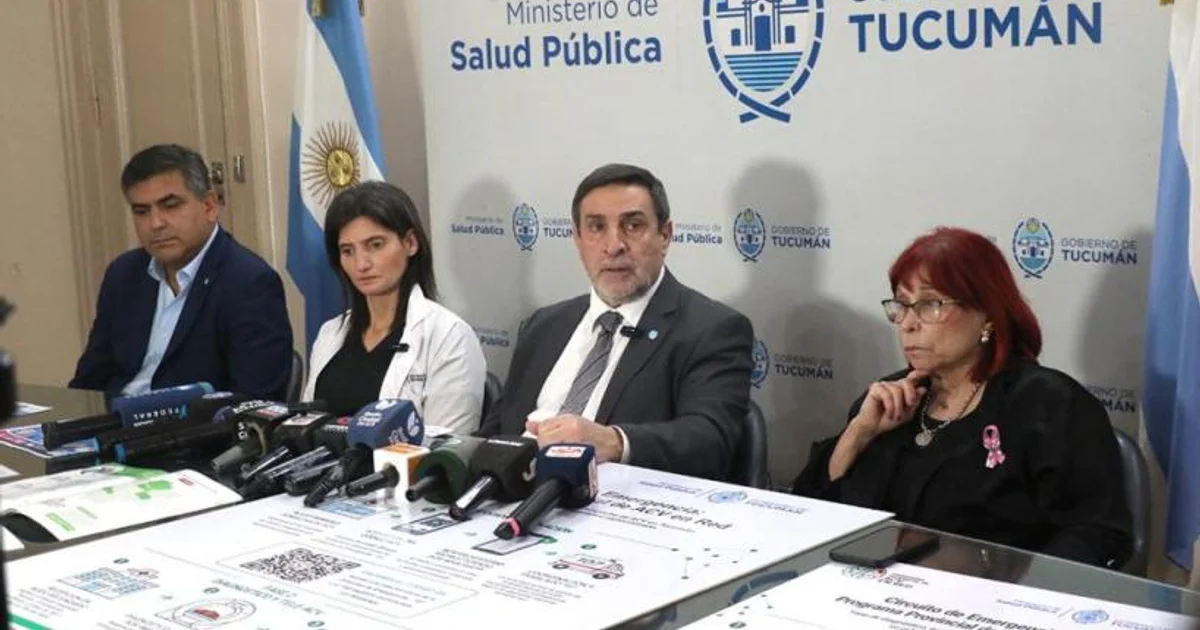
En el Día Mundial del Accidente Cerebrovascular, el ministro de Salud Pública, Luis Medina Ruiz, brindó una conferencia de prensa en la que explicó cómo reconocer los síntomas, cuáles son los principales factores de riesgo y por qué resulta fundamental acudir de inmediato a un centro sanitario. En este marco, destacó el trabajo articulado que lleva adelante el sistema de salud provincial, con el respaldo del gobernador Osvaldo Jaldo, para garantizar una atención rápida y oportuna ante esta emergencia.
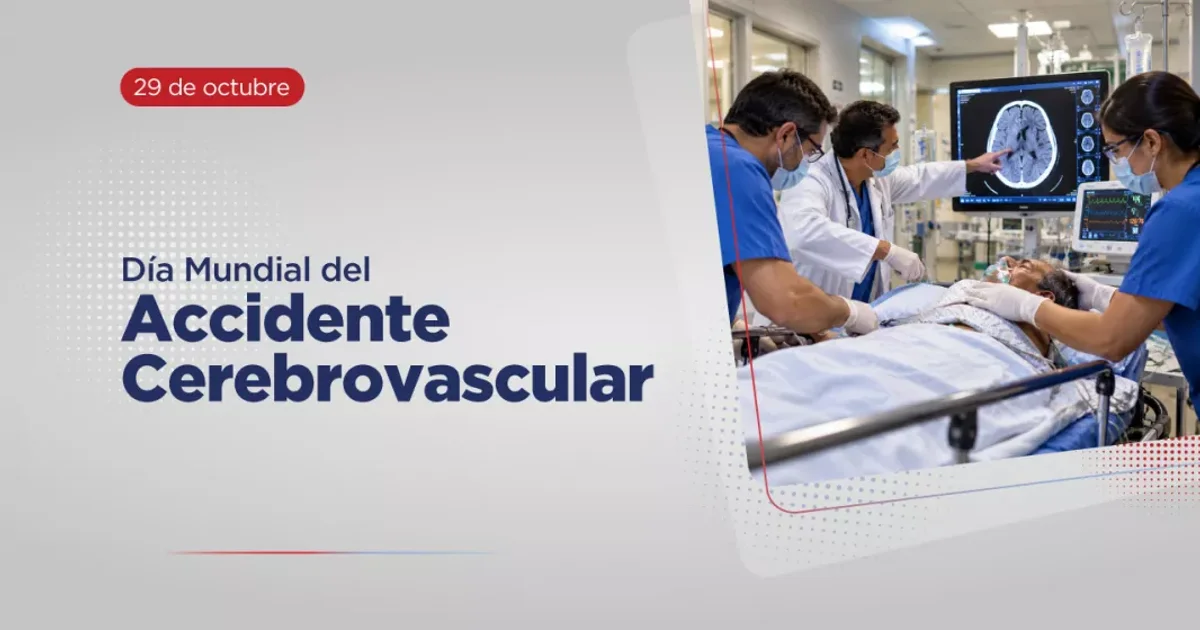
Los accidentes cerebrovasculares (ACV) constituyen una de las principales causas de muerte y discapacidad en el mundo. Sin embargo, una parte importante de los casos puede prevenirse mediante hábitos saludables y el control de enfermedades preexistentes. Asimismo, cuando el evento ocurre, la rapidez con la que se recibe atención médica puede marcar la diferencia entre la recuperación, las secuelas permanentes y la pérdida de la vida.
Durante su exposición, Medina Ruiz explicó que existen dos tipos principales de ACV. El hemorrágico se produce cuando se rompe un vaso sanguíneo y se genera una hemorragia dentro del cráneo, mientras que el isquémico, que representa aproximadamente el 85 por ciento de los casos, ocurre cuando una arteria se obstruye e impide que la sangre y el oxígeno lleguen a una parte del cerebro.
“Estos dos cuadros, tratados a tiempo, tienen mucha más posibilidad de salvar la vida y evitar las secuelas”, remarcó el ministro, quien insistió en que la atención debe ser inmediata, ya que el daño cerebral puede volverse irreversible en pocas horas.
La prevención comienza con el cuidado diario
Entre los principales factores de riesgo, el titular de la cartera sanitaria señaló la hipertensión arterial, la diabetes no controlada, el colesterol elevado, el tabaquismo y el exceso de peso. En este sentido, subrayó la importancia de mantener la presión arterial y la glucemia bajo control, cumplir con los tratamientos indicados, reducir el consumo de sal, sostener una alimentación saludable y realizar actividad física de manera regular.
Original excerpt in Spanish. The content belongs to Gobierno de Tucumán.
Institutional · Gobierno de Salta

Institutional · Gobierno de Jujuy
Institutional · Gobierno de Salta