Who leads the conversation
Narratives
- Government
- 35%
- Left / opposition
- 45%
- The street
- 20%
Start free with El Resumen Esencial or go Premium for the full analysis, in English, Spanish or Portuguese.
Start free with El Resumen Esencial or go Premium for the full analysis, in English, Spanish or Portuguese.
Start free with El Resumen Esencial or go Premium for the full analysis, in English, Spanish or Portuguese.
Real pulse on X
The voices and keywords are in Spanish, as they appear in the sources.
Data gathered from public conversations and estimated by AI. Source: the story's context (no usable data from X).
El Cronista3 min read
AI estimate · 80% confidence
Main framing
Left 50%
Mixed · estimated by AI · 80% confidence
The estimate comes from analyzing the story's text: which sources it quotes, which facts it highlights and what language it uses.
An AI model reads the story and estimates how much of its framing leans left, center or toward a libertarian view. The three percentages add up to 100.
This is an AI-generated estimate, not an objective judgment.
Generated on · 1 min read
AI summaries may contain errors.
The negative impact of Lula's victory on the markets is mentioned, reflecting concern about the relationship with Brazil. Additionally, the government's potential responses to exchange rate fluctuations are discussed, indicating a mix of perspectives on the economic situation.
Quoted from the original Spanish text.
AI summary
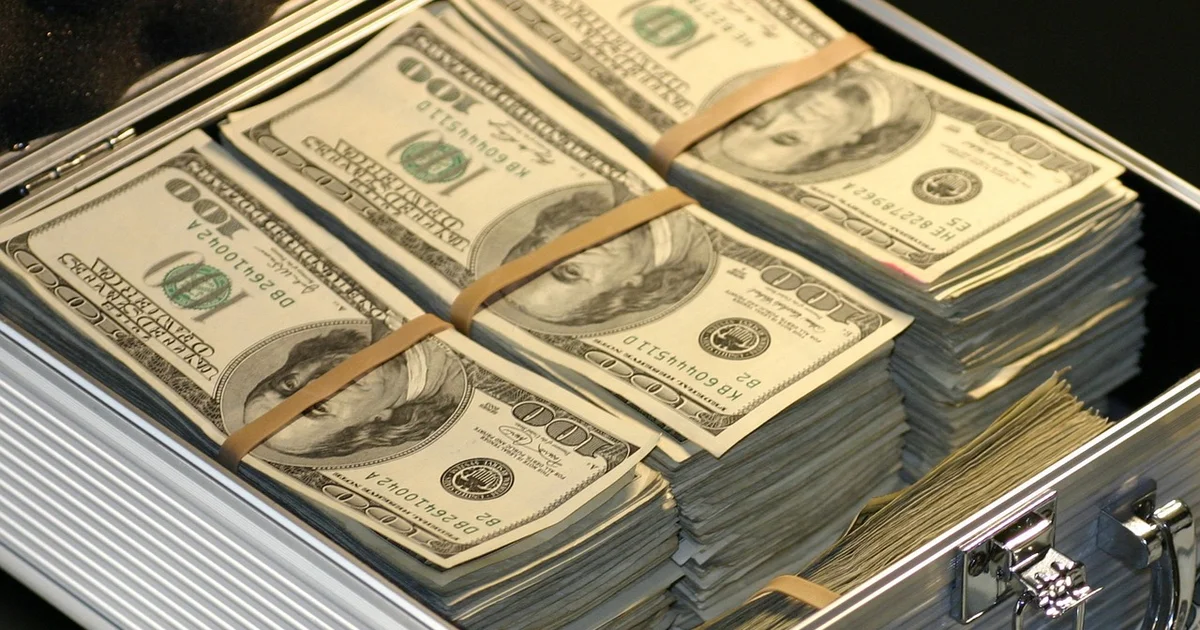
The Argentine Treasury sold 100 million dollars to prevent a rise in the dollar amidst a challenging economic situation, exacerbated by Lula's victory in Brazil. The liquid dollar and other exchange rates have increased, generating inflationary pressures.
The Central Bank's inability to intervene has led the Treasury to act in the currency market, while analysts expect a negative impact on Argentine markets.
Generated by AI from the original story in Spanish.
Efecto Lula. Esta es la causa por la cual el contado con liquidación se disparó 1,8% a $ 1682 y el mayorista subió 0,75% a $ 1541, llevando esa brecha al 9%. En tanto el oficial subió 0,7% a $ 1560 y el MEP 0,9% a 1574, llevando el canje, como se denomina en la jerga financiera a la brecha que hay con el CCL, a un récord del 7%.
Ante este contexto, el Banco Central no pudo comprar divisas, lo que es una suerte de alarma para el mercado. Es más, el Tesoro debió vender u$s 100 millones para evitar una disparada del dólar oficial que se pueda trasladar de inmediato sobre la inflación.
Todo en un escenario donde el riesgo país se dispara 8% a 765 puntos y se cierra así por completo el mercado de deuda internacional, donde la Argentina preveía conseguir u$s 5000 millones de acuerdo al plan de financiamiento anunciado por el Gobierno.
Por lo tanto, la única opción que queda es engrosar reservas, activar el swap con China o esperar que el 3 de noviembre Donal Trump no pierdas las elecciones de medio término para que su secretario del Tesoro, Scott Bessent, tenga cierto margen de maniobra para poder ayudar a la Argentina.
Además, la depreciación del real pone presión al tipo de cambio real. ¿Cómo impacta el resultado de Brasil en Argentina? “Brasil es nuestro principal socio comercial de manufacturas, lo que lo lleva a representar el 27,7% del índice de tipo de cambio real multilateral. Es por ello que la depreciación del real agrega presión sobre la competitividad cambiaria argentina”, precisan desde PPI.
Agregan que la depreciación del real introduce un viento en contra para el peso, por lo que será importante observar si el Gobierno permite que una eventual presión vendedora se traduzca en una suba del tipo de cambio o si vuelve a intervenir para contenerla.
Original excerpt in Spanish. The content belongs to El Cronista.
Finance · iProfesional

Finance · El Cronista