Who leads the conversation
Narratives
- Government
- 60%
- Left / opposition
- 25%
- The street
- 15%
Start free with El Resumen Esencial or go Premium for the full analysis. Newsletters are in Spanish.
Start free with El Resumen Esencial or go Premium for the full analysis. Newsletters are in Spanish.
Real pulse on X
The voices and keywords are in Spanish, as they appear in the sources.
Data gathered from public conversations and estimated by AI. Source: the story's context (no usable data from X).
Ámbito3 min read
AI estimate · 85% confidence
Main framing
Right 50%
Right · estimated by AI · 85% confidence
The estimate comes from analyzing the story's text: which sources it quotes, which facts it highlights and what language it uses.
An AI model reads the story and estimates how much of its framing leans left, center or toward a libertarian view. The three percentages add up to 100.
This is an AI-generated estimate, not an objective judgment.
Generated on · 1 min read
AI summaries may contain errors.
The article emphasizes pro-privatization reforms and the reduction of state involvement, with a positive tone towards Milei's plans. Terms like "greater private participation" and "reduction of the weight of the State" suggest a favorable framework for right-wing policies.
Quoted from the original Spanish text.
AI summary
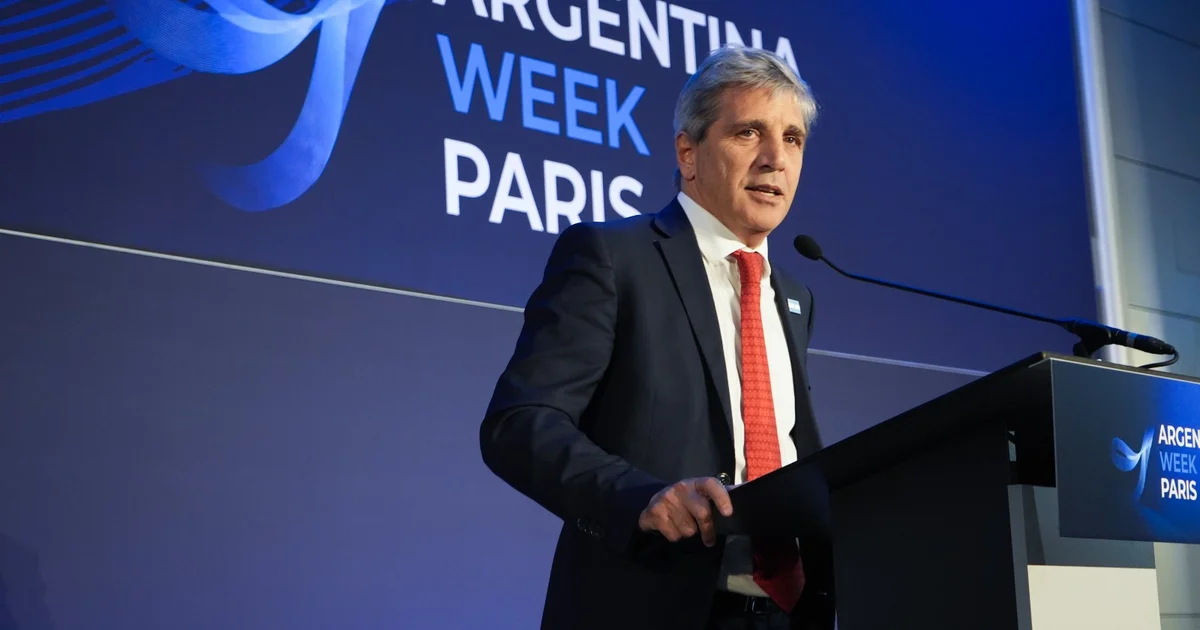
Federico Sturzenegger, the Minister of Economy, defended the economic reforms of Javier Milei's government, arguing that regulatory changes and trade openness are crucial for Argentina's development. Initiatives include privatizations, infrastructure concessions, and the promotion of new investments, aiming to reduce state involvement and enhance the country's competitiveness.
Sturzenegger projects a future with increased export activity and job opportunities, although he warns that the most significant outcomes may take time to materialize.
Generated by AI from the original story in Spanish.
El ministro defendió el rumbo económico del Gobierno y argumentó que los cambios regulatorios pueden redefinir el desarrollo argentino. La apuesta incluye una mayor participación privada, nuevas inversiones y un Estado con menor presencia empresarial.
Menores costos logísticos y apertura comercial
El ministro también identificó a la infraestructura y la logística como factores centrales para mejorar la competitividad. Entre las iniciativas mencionó las concesiones de rutas nacionales, la licitación del Belgrano Cargas y la posibilidad de ampliar el uso de bitrenes para abaratar el transporte terrestre. Según sus estimaciones, estas medidas podrían reducir significativamente los costos de traslado de mercaderías, especialmente en las economías regionales.
La apertura comercial ocupa otro lugar central en su diagnóstico. Sturzenegger destacó los acuerdos internacionales impulsados por el Gobierno y señaló que el acceso a nuevos mercados puede ampliar las oportunidades para las empresas locales. En su análisis, el crecimiento de las exportaciones sería uno de los principales canales para acelerar la expansión económica. También defendió los cambios en las regulaciones laborales y del mercado de capitales, con el argumento de que permitirían facilitar las contrataciones, reducir la litigiosidad y ampliar las fuentes de financiamiento para las compañías, incluidas las pequeñas y medianas empresas.
Privatizaciones y retiro del Estado: el otro eje del programa
La columna también reivindica el avance de la agenda de privatizaciones y concesiones. Sturzenegger sostuvo que, hacia el final del primer mandato de Milei, el Estado podría haberse retirado de la gestión de buena parte de sus activos energéticos -con excepción de YPF- y haber concesionado servicios e infraestructura como rutas, trenes e Hidrovía. También mencionó la posibilidad de avanzar con la empresa de aguas del área metropolitana y con Intercargo.
Original excerpt in Spanish. The content belongs to Ámbito.
Economy · La Nación

Investments · Derecha Diario