Who leads the conversation
Narratives
- Government
- 35%
- Left / opposition
- 25%
- The street
- 40%
Start free with El Resumen Esencial or go Premium for the full analysis. Newsletters are in Spanish.
Start free with El Resumen Esencial or go Premium for the full analysis. Newsletters are in Spanish.
Real pulse on X
The voices and keywords are in Spanish, as they appear in the sources.
Data gathered from public conversations and estimated by AI. Source: the story's context (no usable data from X).
La Nación11 min read
AI estimate · 85% confidence
Main framing
Center 40%
Center · estimated by AI · 85% confidence
The estimate comes from analyzing the story's text: which sources it quotes, which facts it highlights and what language it uses.
An AI model reads the story and estimates how much of its framing leans left, center or toward a libertarian view. The three percentages add up to 100.
This is an AI-generated estimate, not an objective judgment.
Generated on · 1 min read
AI summaries may contain errors.
The article mentions both the government's measures and experts' concerns about the implementation, suggesting a balanced approach. The inclusion of statements from specialists like Sebastián Domínguez also adds an informative tone without evident political bias.
AI summary
The Argentine government published Decree 1253/2026, regulating the Simplified Income Declaration regime under the Fiscal Innocence Law II. This regulation allows the use of undeclared savings, known as "mattress dollars," for property purchases, although adjustments by the Financial Information Unit (UIF) and ARCA are still pending for full implementation.
The changes aim to provide greater legal security to taxpayers and facilitate the use of undeclared funds.
Generated by AI from the original story in Spanish.
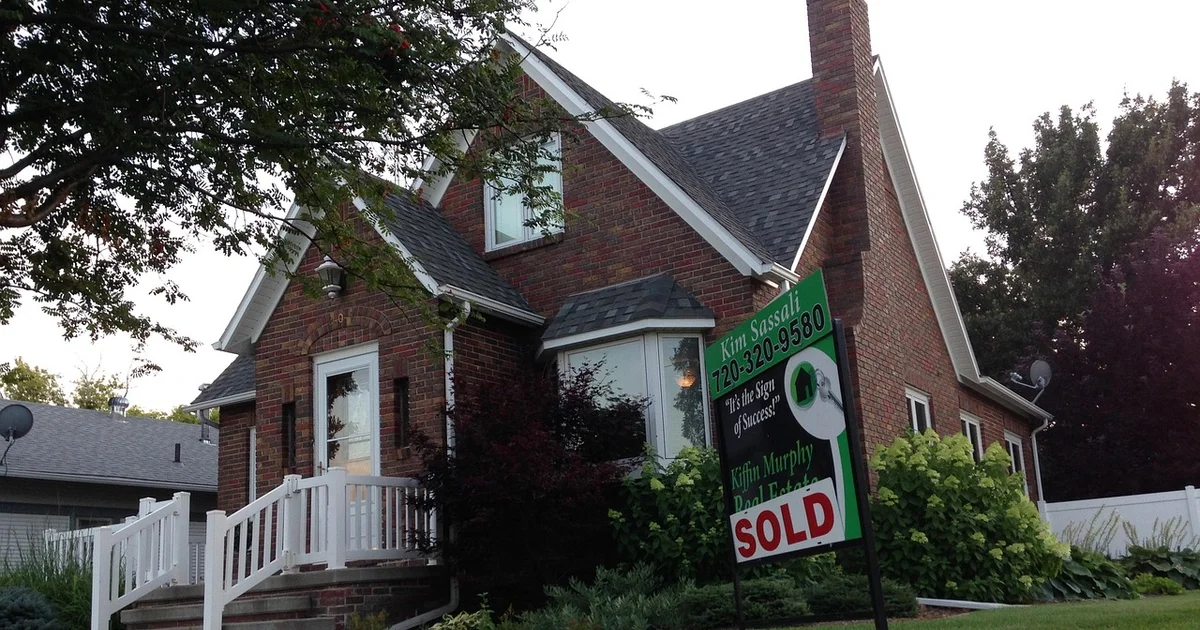
Hoy el Gobierno publicó en el Boletín Oficial el Decreto 1253/2026 que reglamenta el régimen de Declaración Jurada Simplificada de Ganancias, en el marco de la Ley de Inocencia Fiscal II. De esta manera, la nueva normativa sustituye la reglamentación de la Ley de Inocencia Fiscal I, prevista en la Ley 27.799 y precisa algunos beneficios y requisitos para quienes quieren usar ahorros no declarados, “dólares del colchón”, para comprar una propiedad.
“En este decreto reglamentario lo que hace el Poder Ejecutivo es confirmar algunas cosas del decreto anterior y adaptar otras”, explica Sebastián Domínguez, CEO de SDC Asesores Tributarios. Entre otras cuestiones, la normativa aclara cómo se calcula la discrepancia significativa que puede hacer perder los beneficios fiscales, confirma las condiciones de adhesión y habilita a quienes ya presentaron su declaración jurada por el régimen general a optar por el simplificado.
Sin embargo, todavía resta que ARCA adecúe su normativa y que la Unidad de Información Financiera (UIF) establezca cómo deberán actuar los sujetos obligados ante quienes utilicen fondos no bancarizados.
UIF VS. ARCA: la reglamentación pendiente
Actualmente, uno de los principales interrogantes que persisten para quienes quieren utilizar dólares del colchón en la compra de una propiedad está relacionado con los controles que deben realizar los escribanos.
“En operaciones inmobiliarias que superan aproximadamente los 700 salarios mínimos, vitales y móviles, los escribanos actúan como ´sujetos obligados´ ante la prevención de lavado de dinero", indica el tributarista. Es decir, que deben analizar el origen de los fondos utilizados en la operación, de acuerdo con las exigencias de la UIF.
Original excerpt in Spanish. The content belongs to La Nación.

Finance · Página/12