Start free with El Resumen Esencial or go Premium for the full analysis, in English, Spanish or Portuguese.
Start free with El Resumen Esencial or go Premium for the full analysis, in English, Spanish or Portuguese.
Start free with El Resumen Esencial or go Premium for the full analysis, in English, Spanish or Portuguese.
Gobierno de Río Negro1 min read
AI estimate · 90% confidence
Main framing
Center 80%
Center · estimated by AI · 90% confidence
The estimate comes from analyzing the story's text: which sources it quotes, which facts it highlights and what language it uses.
An AI model reads the story and estimates how much of its framing leans left, center or toward a libertarian view. The three percentages add up to 100.
This is an AI-generated estimate, not an objective judgment.
Generated on · 1 min read
AI summaries may contain errors.
The text is presented in a neutral and moderate manner, focusing on biological and community aspects without taking a critical stance or aligning with extreme political ideologies. There is no glorification or attack on any political currents, justifying a centrist classification.
AI summary
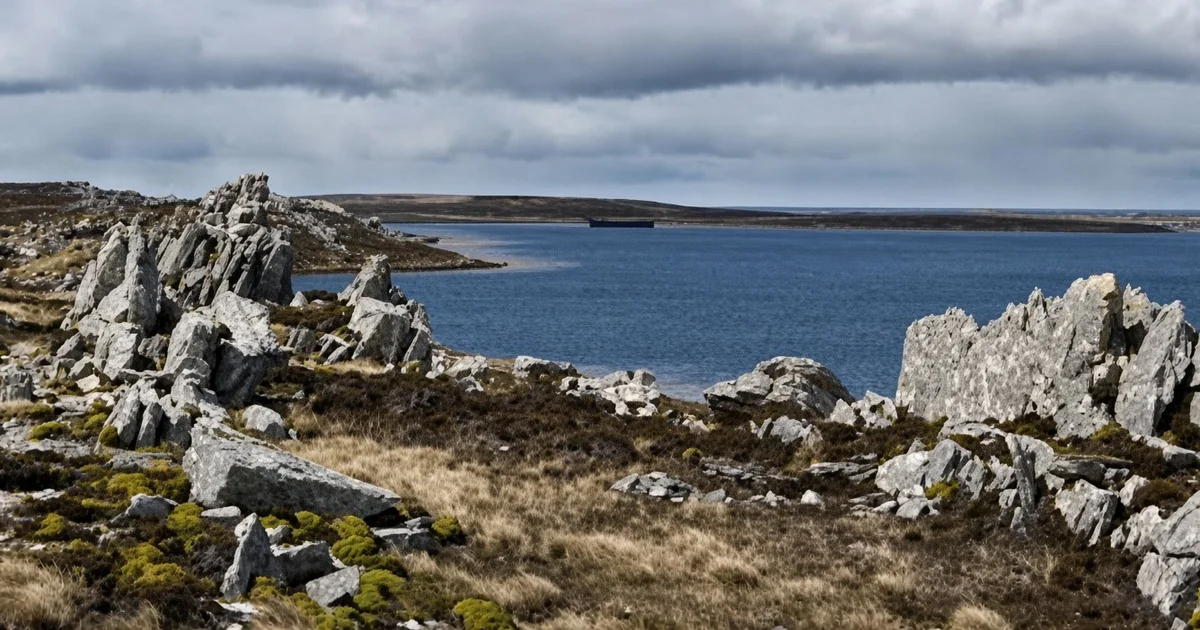
The talk led by Cecilia Núñez will focus on the plant species that grow in both the Falkland Islands and the Nahuel Huapi National Park, highlighting botanical links between the two territories. The initiative aims to emphasize the biological heritage while promoting reflection on sovereignty through knowledge and community participation.
Plans include building garden beds in a museum with species from both areas, using plants provided by local nurseries.
Generated by AI from the original story in Spanish.
La charla estará a cargo de Cecilia Núñez, doctora en Biología, integrante de la Dirección Regional Patagonia Norte de la Administración de Parques Nacionales y profesora de la Universidad Nacional del Comahue. La especialista expondrá sobre las especies vegetales que crecen tanto en las Islas Malvinas como en el Parque Nacional Nahuel Huapi.
Estas coincidencias botánicas permiten reconocer los vínculos naturales entre el continente y el archipiélago del Atlántico Sur. La propuesta busca poner en valor ese patrimonio biológico y promover una reflexión sobre la soberanía a través del conocimiento y la participación comunitaria.
Como parte de la iniciativa institucional, se prevé construir canteros en el museo con especies presentes en ambos territorios. Las plantas serán provistas por los viveros del Centro Botánico del Parque Nacional Nahuel Huapi y de la Tecnicatura en Viveros de la Universidad Nacional de Río Negro.
El encuentro es organizado por el Museo Malvinas, Antártida y Atlántico Sur, ubicado en Juan Manuel de Rosas 155 de Bariloche, junto con la Administración del Parque Nacional Nahuel Huapi.
Original excerpt in Spanish. The content belongs to Gobierno de Río Negro.