Who leads the conversation
Narratives
- Government
- 45%
- Left / opposition
- 35%
- The street
- 20%
Start free with El Resumen Esencial or go Premium for the full analysis, in English, Spanish or Portuguese.
Start free with El Resumen Esencial or go Premium for the full analysis, in English, Spanish or Portuguese.
Real pulse on X
The voices and keywords are in Spanish, as they appear in the sources.
Data gathered from public conversations and estimated by AI. Source: the story's context (no usable data from X).
@JMilei · X1 min read
AI estimate · 80% confidence
Main framing
Left 55%
Mixed · estimated by AI · 80% confidence
The estimate comes from analyzing the story's text: which sources it quotes, which facts it highlights and what language it uses.
An AI model reads the story and estimates how much of its framing leans left, center or toward a libertarian view. The three percentages add up to 100.
This is an AI-generated estimate, not an objective judgment.
Generated on · 1 min read
AI summaries may contain errors.
The article presents positions from both sides. While Milei defends the credit situation and his management, the opposition criticizes his disconnection from the economic reality of families, creating a mixed framework.
Quoted from the original Spanish text.
AI summary
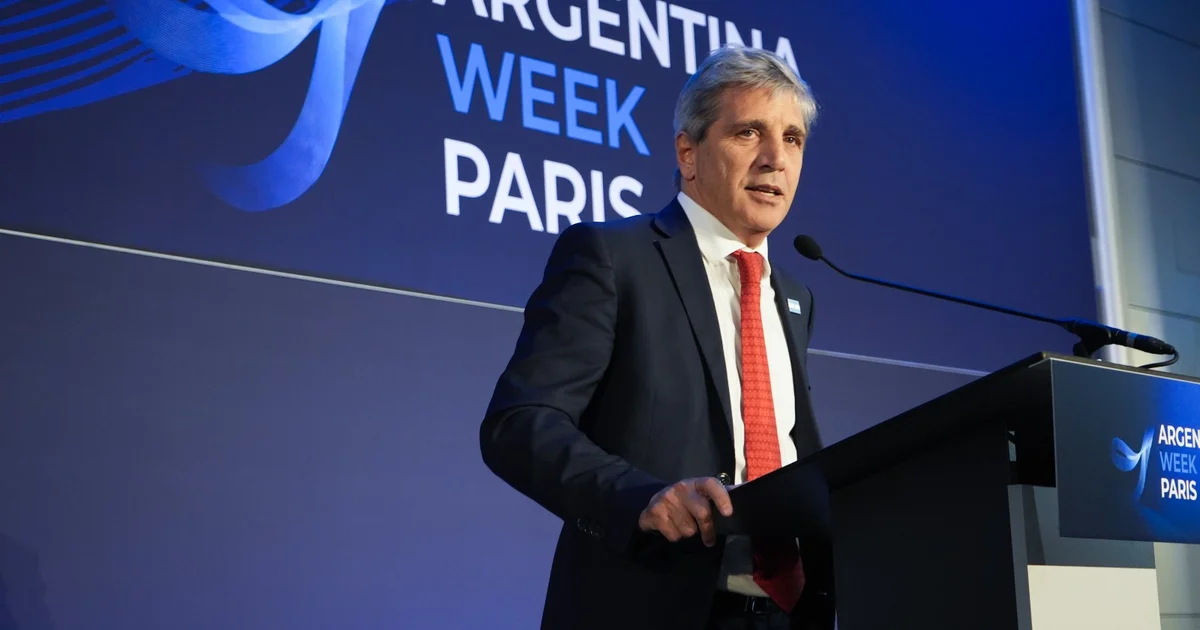
In a recent debate on economic delinquency in Argentina, President Javier Milei highlighted the seriousness of the country's credit situation, referencing its history of defaults. Opposition figures like Máximo Kirchner and Axel Kicillof criticized the president for being disconnected from the realities faced by Argentine families.
Despite the pushback, Milei defended his economic approach, stating that the country is experiencing growth while questioning calls for currency devaluation.
Generated by AI from the original story in Spanish.
En un reciente intercambio sobre la morosidad económica en Argentina, el presidente Javier Milei abordó el tema en varios mensajes, enfatizando la gravedad de la situación crediticia del país. Según @JMilei, 'vivimos en un mundo convulsionado. Argentina tiene toda una mala historia crediticia por haber sido el máximo defaulteador serial de la historia moderna'. Esto resalta la preocupación por los niveles de morosidad de las familias, que se mantienen cercanos al 13%, según el último reporte del Banco Central.
Por su parte, la oposición ha respondido a las afirmaciones de Milei con críticas contundentes. Máximo Kirchner, en declaraciones recientes, comentó: 'El Presidente logra con esto que paren de dramatizar lo cotidiano. Todos sabemos qué significa “no llegar a fin de mes”', apuntando a la desconexión entre la narrativa oficial y la realidad que viven muchos argentinos que enfrentan dificultades económicas.
Asimismo, Axel Kicillof, gobernador de la provincia de Buenos Aires, añadió: 'Mientras millones de argentinos la están pasando mal, al Presidente parece no importarle la crisis que atraviesan las familias'. Esta respuesta busca resaltar la diferencia en percepciones sobre la realidad económica que enfrenta el país y las políticas implementadas por el gobierno.
En paralelo, Milei defendió su enfoque económico, destacando que el país está experimentando un 'crecimiento' y cuestionando los llamados a la devaluación de la moneda. '¿Qué clase de atraso cambiario es este, en un país que las exportaciones crecen cinco veces más rápido que el PBI?', argumentó el presidente, reflejando su posición respecto a las críticas sobre la gestión económica.
El debate sobre la morosidad económica en Argentina sigue intensificándose, con cada bando presentando posturas firmes. Mientras el gobierno se aferra a una narrativa de transformación económica, la oposición enfatiza la urgencia de abordar la crisis que afecta a muchas familias en el país.
Original excerpt in Spanish. The content belongs to @JMilei · X.
Economy · La Nación